EU Regulations on Alcohol-Free Drinks: A Complete Guide
As we move into the age of beverages the term “alcohol-free” is getting huge traction. As more and more people are turning to non-alcoholic alternatives due to various reasons, including health, personal preference, along with lifestyle and personal preferences. As the demand for alcohol-free drinks grows with it, so too does the need for clear regulations that regulate these drinks.
Understanding the Importance of EU Regulations
Why You Should Know
Before we go into the intricate details of EU guidelines for alcohol-free drink it’s vital to understand the importance of this information. It doesn’t matter if you’re a customer looking for trustworthy products or a producer who is eager to adhere to standards This is why EU laws on alcohol-free drinks are vital:
The Increasing Demand for Alcohol-Free Beverages
Alcohol-free beverages have expanded beyond the boundaries of soda and water. Nowadays, they include a wide range of products, from alcohol-free beer to stylish mocktails to alcohol-free spirits. In a time when consumers are looking for healthier and more diverse drinks choices, need for these products is climbing.
Health and Safety Concerns
It is a right of consumers to expect that drinks they consume meet strict quality and safety standards. Regulations ensure that alcohol-free beverages are manufactured, labeled and promoted in a manner that is focused on consumer health. They also protect consumers from misleading claims and help protect people who must avoid alcohol due to reasons of health.
Industries Growth and Innovation
The industry of alcohol-free drinks is growing quickly, with innovations that challenge conventional norms. Producers are coming up with unique flavors and textures based on alcohol. To help support the growth of this industry and to maintain trust with consumers the need for comprehensive regulations is essential.
If you’ve mastered the importance of EU rules on alcohol-free drink, let’s take a look at the major laws that govern these products in our next section.
H2: Essential EU Regulations for Alcohol-Free Drinks
In the next section, we’ll go into the heart of the matter, and break down the key regulations that shape the industry of alcohol-free drinks in the European Union. From the maximum allowed alcohol content to labeling requirements in this section, we will unravel the regulations that producers, distributors as well as consumers need to be aware.
Maximizing Safety and Consumer Confidence
When embarking on this regulatory process, we must remember that these regulations are not just red tape for bureaucrats. They serve a vital purpose in ensuring that alcohol-free drinks comply with specific quality standards, provide consumers with accurate information and create an improved and safer beverage environment.
Now, let’s navigate the complexity of EU regulations on alcohol-free drinks to the section below.
[Next: Section 2: Key EU Regulations for Alcohol-Free Drinks[Next up: Section 2: Key EU Regulations for Alcohol-Free Drinks
Direct From Source to Success: Boost Your Inventory with Swedish Distillers’ Non-Alcoholic Spirits!
Important EU Regulations for Alcohol-Free Drinks
To better understand the realm of alcohol-free drinks in the European Union, we now take a look at the core of what is matteraEUR”the regulations. These regulations are at the heart which ensures that the alcohol-free beverages are safe, clear as well as meet strict guidelines for quality. Let’s embark on this regulated adventure, dissecting principal EU rules governing alcohol-free beverages.
Maximum Permitted Alcohol Content
What is the significance of HTML0?
The very definition of “alcohol-free” is dependent upon the permissible alcohol level. In the EU, for a beverage to be classified as “alcohol-free,” it must have a maximum of 0.5% of alcohol per volume (ABV). This low threshold is crucial for consumer safety, especially people who want to steer clear of alcohol, because of health, dietary, or for personal reasons.
Labeling Requirements
The clarity of the HTML0 code and Transparency
EU regulations mandate that labels for alcohol-free drinks clearly state the amount of alcohol they contain. This isn’t just a matter of transparency but also essential for consumers who depend on this details. The label should clearly highlight the “alcohol-free” design and the exact ABV in order to ensure that consumers can make informed choices.
ingredients and additives
Quality and Purity
To ensure the quality and purity of alcohol-free drinks, EU regulations stipulate stringent requirements in the use of ingredients and add-ons. These regulations ensure there are only substances that have been approved by the EU are used in the creation of these beverages. The focus is on maintaining the authenticity of the product, whether it’s an alcohol-free beer, wine, or spirit.
Health Claims and Advertising
Preventing fraudulent claims
EU regulations also regulate health claims and advertisements for alcohol-free beverages. This is in order to stop misleading claims that could result in false perceptions of the health benefits of drinking these drinks. Producers must adhere to guidelines that ensure accuracy and integrity when it comes to marketing.
Standardization and Quality Standards and Safety Checks
The Rigorous Test and Quality Control
Another key aspect of EU legislation is enforcement of quality standards as well security checkpoints. Producers are required by law to conduct rigorous tests and quality control measures to ensure their alcohol-free beverages comply with standards. This includes microbiological safety, hygiene and overall quality.
Compliant and Certification
As we’ve gathered an understanding of the most important EU rules for alcohol-free beverages it’s likely that you’re wondering what distributors and producers can do to ensure that they are in compliance with these regulations. The process of ensuring compliance and certification is an integral part of the process of bringing these drinks to market while still adhering to EU regulations.
H2: Insuring Compliance
It can be a complicated undertaking, but it is vital for distributors and producers to make sure that their alcohol-free drinks meet EU standards. These are the essential steps to follow in the compliance process:
Testing and Analysis
Producers must conduct a comprehensive test and analysis of their alcohol-free drinks to verify that they are in compliance with the established criteria. This includes verification of alcohol content test of the ingredients and evaluations of quality.
Documentation and Record-Keeping
An accurate and detailed record is the basis of compliance. Producers must maintain records of testing, ingredient sourcing, and manufacturing processes. These records provide evidence of compliance and can be monitored by governmental authorities.
Collaboration with Regulatory Authorities
Producers and distributors often collaborate with regulators in order so that compliance is maintained. This involves getting the required certifications and approvals. These depend on the specific alcohol-free type of drink.
Common Challenges and How to Surmonte These
Compliance can be a problem especially for small producers or those just entering the business. Some of the most frequent obstacles include understanding various regulatory requirements, managing testing costs, and staying current with changes in regulations. Seeking expert guidance and staying informed of regulatory changes are important strategies to tackle these difficulties.
In the next part in the next section, we’ll discuss the effect of these regulations on consumers and how they can make informed choices for alcohol-free drinks.
[Next step: Section 3: the impact on consumersThe impact on consumers
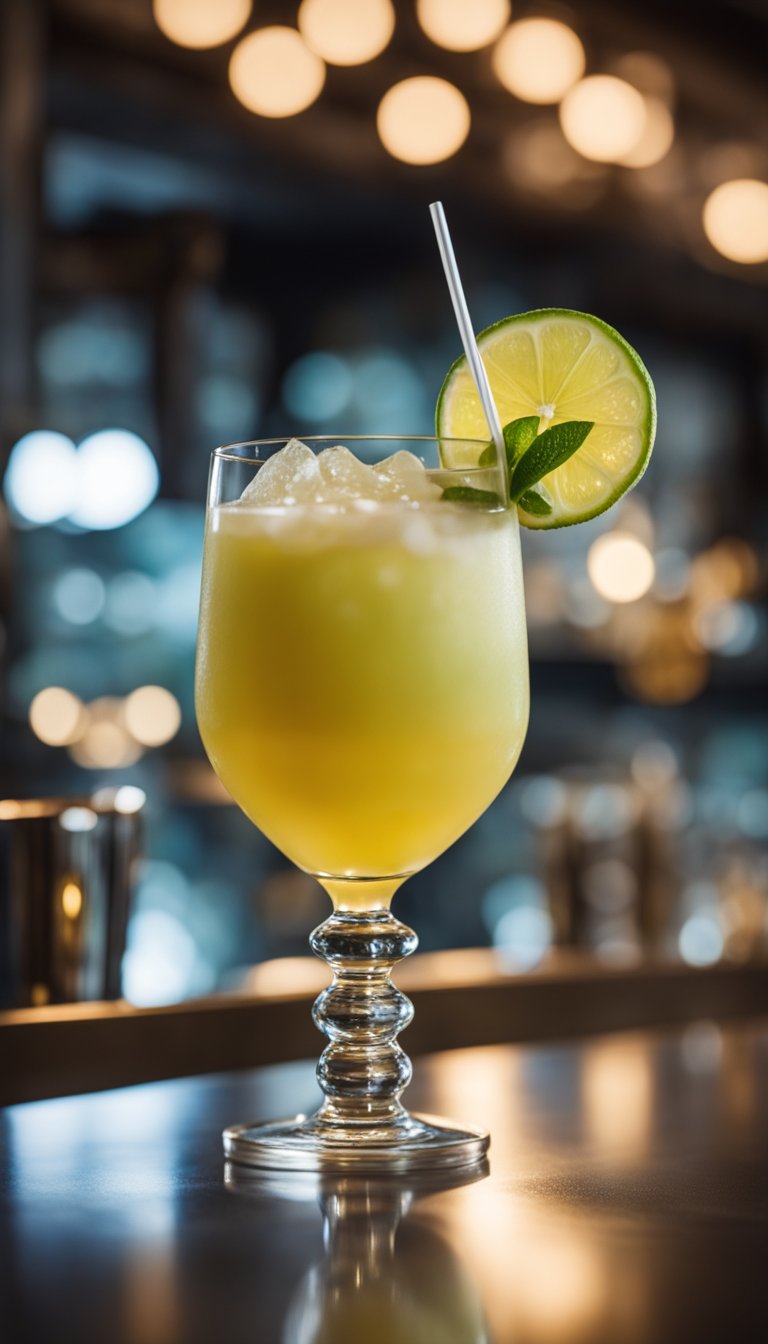
Impact on Consumers In the process of navigating EU Regulations on Alcohol-Free Drinks
As we continue our journey through the realm of alcohol-free drinks and the regulations that govern them in the European Union, we come to a pivotal point of considerationaEUR”the impact of these regulations on consumers. It is crucial for consumers to be aware of the ways in which these regulations affect the choices they make and their rights in relation to selecting alcohol-free beverages.
Why Should Consumers Be Concerned About EU Regulations on Alcohol-Free Drinks?
Before diving into the specifics the details, it’s important to answer this question that is fundamental: Why consumers should care about EU regulations on alcohol-free drinks? These are the main reasons:
-
Safe as well as Trust: Consumers deserve to enjoy secure and dependable products. Regulations ensure that alcohol-free drinks adhere to strict quality and safety standards, reducing the risk of health-related concerns or misrepresentation.
-
Informed Choices These regulations allow consumers to make informed decisions. By understanding the labeling requirements and claim to be healthy, they can confidently choose products that meet their preferences, dietary needs and lifestyle.
-
Prevention of misleading claims Regulations protect against misleading advertising and health claims by preventing consumers from falling prey to deceitful marketing techniques.
Let’s dive a little deeper into the way EU regulations impact consumers:
Listening Labels and Understanding Claims
Clarity in Labeling
One of the most direct ways consumers are affected by EU regulations is through the labeling of product. When you buy an alcohol-free drink in the EU, the label should give clear and accurate information. Here’s what to look for:
-
Alcohol Content: Laws require labels to must display the exact alcohol content typically expressed in Alcohol by Volume (ABV). This allows consumers to confirm it is genuinely alcohol-free, meeting the EU’s 0.5% ABV threshold.
-
“Alcohol-Free” The label should be prominently displayed. Labels should clearly feature the “alcohol-free” designation, which will ensure that customers can easily identify the products.
-
ingredients lists The regulations require extensive ingredient lists to help consumers who have food restrictions or allergies make informed choices.
-
Health Claims: Pay attention to claims about health that appear on labels. Regulations can prevent misleading statements, so consumers can trust that the health benefits associated with the product are correctly portrayed.
Reporting non-compliance
Consumer Rights and Accountability
Consumers are also involved in upholding EU rules regarding alcohol-free beverages. If the label on a drink appears inaccurate or if you suspect an infraction to regulations, you are entitled to notify the company. Reporting violations help maintain respect for the market and holds the makers accountable.
Sources of Information and Resources for Consumers
Alongside reporting non-compliance In addition, consumers can consult many resources for assistance:
-
Customer Associations: Many consumer associations actively monitor the compliance of products in order to provide guidance and assistance.
-
Regulation Authorities You can contact your regional or national regulator for assistance and to voice concerns.
-
Online Community: Joining online forums and communities can provide ideas and suggestions from other consumers who share your interests.
Understanding the way EU regulations impact consumers helps consumers to make informed decisions and contribute to the credibility of the drinks that are alcohol-free market. In the following section we’ll review the future trends that are emerging in this changing landscape, as well as what consumers can expect from the world of alcohol-free drinks.
[Next step: Section 4: Future Trends and Conclusion“
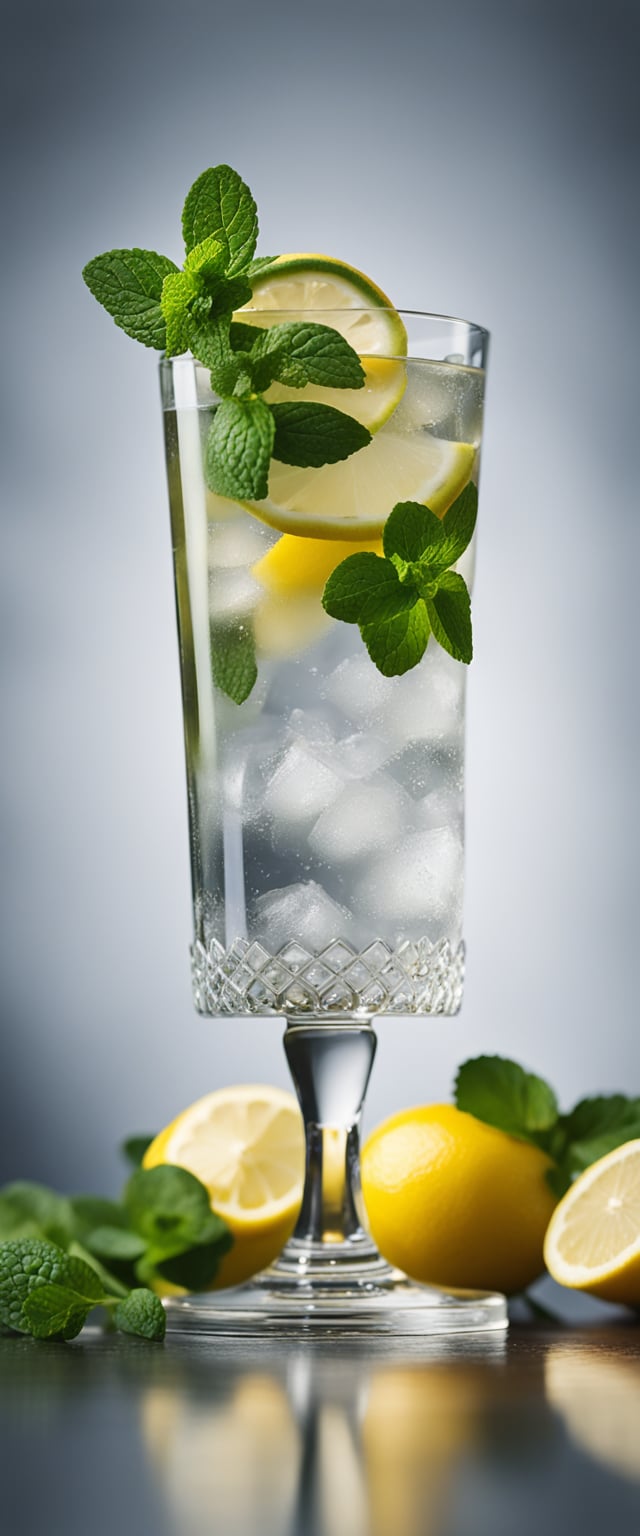
Future trends in the World of Alcohol-Free Drinks
When we look at the intricate details of EU rules on alcohol-free beverages and the impact they have on consumers they must also be aware of the coming trends in this transforming world. The world of alcohol-free beverages is experiencing rapid growth and technological innovation as a result of changing consumer tastes and healthier choices.
Why Future Trends are Important
Understanding the trends of the future isn’t simply a matter of curiosityaEUR”it’s important for producers and consumers. For producers, staying ahead of the latest trends means addressing changing expectations of the consumer and adjusting regulations. Consumers, it’s getting access to an expanding assortment of healthy and delicious drink options.
1. New Product Variety
Over the Basics
Alcohol-free drinks isn’t limited to traditional choices like soda and sparkling water. Producers are continuously expanding their product portfolios to offer consumers a diverse assortment of options. These include:
-
Alcohol-free beer: Its products have become more sophisticated, with the aromas and flavors that imitate their alcohol-based counterparts.
-
Wine Alternatives: A wine that is alcohol free has been increasing in popularity, giving consumers the pleasure of wines without alcohol.
-
Alcohol-Free Spirits: Mocktails and spirits that are alcohol-free are on the rising trend, allowing consumers to taste complex flavors and drinks without the alcohol.
2. Innovative Flavors and Ingredients
Similarity to Complexity
The producers are investing in studies and development to create alcohol-free drinks that mimic the complex flavors and sensations of alcohol-based drinks. This includes experimenting with botanicals, herbs and spices to produce distinct profiles.
-
Botanical Infusions: Gins that are alcohol-free and botanical spirits are made up of numerous botanicals, delivering unique flavor experiences.
-
Distillation Techniques: A few distillers employ distillation techniques that extract flavors without alcohol creating sophisticated alcohol-free spirits.
3. Health and Wellness Focus
Conforming to Consumer Values
The growing demand of consumers for healthy products has producers focusing on health and wellness aspects. This means highlighting nutrition details, organic ingredients as well as wellness benefits.
-
Low Calories and Sugar: A lot of alcohol-free drinks are designed to be low in calories and sugar, catering to health-conscious consumers.
-
Active Ingredients Producers are now integrating active ingredients such as vitamins, adaptogens and antioxidants to boost the health appeal of their products.
4. Sustainable and eco-friendly practices
Meeting Environmental Concerns
Sustainability is on the rise and food producers are responding by implementing environmentally-friendly practices. This includes sustainable sourcing of ingredients, eco-friendly packaging, and reduced carbon footprints.
-
Recyclable Packaging: Some alcohol-free manufacturers are opting for recyclable or biodegradable packaging to lessen environmental impacts.
-
Ethical Sourcing: Producers are increasingly transparent about the sources of the ingredients they use, and are making sure that they comply with ethical and sustainable standards.
5. Training and Consumer Empowerment
Informed Choices
As the industry of alcohol-free beverages evolves, education for the consumer is paramount. Brands invest in resources that help consumers comprehend their products, such as:
-
Online Resource: Social media and websites provide information on the ingredients in products, their health benefits, and food suggestions.
-
Cocktail Events There are some producers who host tasting events and workshops that guide consumers on how to take advantage of alcohol-free drinks to the fullest.
Understanding these emerging trends allows consumers to make better choices with their personal values and desires. In the next segment we’ll go over the key conclusions and discuss how the world of alcohol-free drinks continues to influence the choices of consumers and experiences.
[Next: Section 5: Overview and Looking Forward[Next up: Section 5: Summary and Looking Forward
The Summary and the Future: Becoming familiar with EU Regulations on Alcohol-Free Drinks
As we conclude our comprehensive study of EU regulations on alcohol-free drinking and their impact on consumers and the industry It is crucial to summarize some of the key points from each chapter and look ahead to the next chapter in this ever-changing landscape.
Section 1: Knowing EU Regulations
The first portion of our travels we looked at the fundamental aspects of EU regulations on alcohol-free drinks. Here are some of the key lessons learned:
-
EU Regulations Ensure Safety: These regulations are made to ensure the health and the quality of alcohol-free drinks, ensuring that consumers can take pleasure in these drinks without health concerns.
-
labeling clarity: consumers can depend on the clear and precise labeling to differentiate alcohol-free drinks and learn about their ingredients and health claims.
-
The Consumer Right: They have the option of bringing complaints against non-compliance regulations, helping to create an honest and responsible market.
Section 2: Production and Compliance
In the second section, we looked into the production and conformity aspects of alcohol-free drinks:
-
Standard of Production: It is the responsibility of producers to adhere by strict standards. This includes the 0.5% ABV maximum for the alcohol-free classification.
-
Certification and Testing: The products undergo rigorous testing to ensure they conform to legal requirements.
-
Obligation to Be Compliant: Conformity with regulations is vital to avoid penalties and keep consumer trust.
Section 3: The impact on Producers and Market
Our third section was focused on the effect of regulations on the marketplace and producers:
-
Marketing Growth Demand for non-alcoholic drinks is on upswing, driven by health-conscious consumers as well as innovative product offerings.
-
Innovation and Competition: Producers are continually developing new ways to meet the demands of consumers and have resulted in a broad selection of alcohol-free alternatives.
Section 4: Future Trends
In the closing section, we discussed the future trends that are shaping the world of alcohol-free drinks:
-
Expanding Variety of Products: Consumers can expect more alcohol-free drinks, with elegant alternatives to traditional favourites.
-
Innovations in Flavor and Ingredients: Producers are investing in creating complex flavors and improving the drinking experience.
-
The Health and Wellness Focus: Health-conscious consumers will find products that align with their dietary preferences and goal of wellness.
Section 5 The Summary and Looking Forward
In this section, we’ve reviewed the important insights that we discovered from our investigation of EU laws on alcohol-free drinks. These insights can help consumers and producers to navigate the changing regulations efficiently.
As we look ahead to the future, the world of alcohol-free beverages is expected to continue growing and new developments. People can anticipate a constantly expanding choice of drinks that cater to their various tastes, desires, and values. Producers, on the other hand, must be vigilant about adhering with regulations while embracing opportunities created by this changing market.
In conclusion, understanding EU rules on alcohol-free beverages isn’t only a matter to be in compliance, but it’s about offering the safety that, transparency, as well as choice that consumers are entitled to. With a brighter outlook and a growing market for alcohol-free drinks, it is a great place for consumers to explore, savor, and lift their glasses for a healthier and better tasting pleasure.
Thank you for joining us in this adventure into the world of alcohol free drinks and EU rules. Welcome to a world filled with exciting and responsible drinking choices.
(End of Series]
Welcoming you to the “World of Drink-Free” Mixology.
Unleash Your Mixologist’s Talent How to make alcohol-free Spirits
In an age when innovative mixology has been praised and selection of alcohol-free options is increasing, there’s never been a better moment to take an adventure into the world in the making of alcohol-free spirits. It doesn’t matter if you’re seeking a non-drinker’s elegant drinks or a host who wishes to offer different drinks at your parties Making a splash with DIY mixing has never been more exciting.
The Rise of DIY Mixology
Mixology has traditionally been an area reserved for bartenders as well as cocktail aficionados. However, the rise of health-consciousness, the demand for non-alcoholic options, and the sheer joy of creating unique flavors have propelled DIY mixology into the spotlight. Nowadays, creating alcohol-free liquors isn’t just an fad but a growing trend with a large community of enthusiastic enthusiasts who are eager to discover new options.
What are the benefits of Craft Alcohol-Free Spirits?
1. Control Over Flavor Profiles
When you create your alcohol-free spirits You take control of flavor development. You can make your drinks with the perfect balance of botanicals, spices, and fruits that entice your senses just right. It’s an experience tailored to your preferences where you choose the notes that dance upon your palate.
2. Use Ingredients as Your Canvas
Mixing and blending ingredients is an art form making alcohol-free spirits can be your chance to become the master. Experiment with herbs, fruits and spices to create tastes that are unique to you. Each time you sip, you’ll be able to taste the imagination and passion that was put into your creation.
3. Benefits for the environment and economy. Benefits
Making your own alcohol-free spirit isn’t only about personalization. It’s more about sustainability. Making your own spirits, you’ll reduce packaging waste, lower your carbon footprint, and you save money in long term. You win for your flavor buds and for the planet.
The excitement of Mixology for DIY
Imagine yourself in your kitchen creating a drink as good as the finest bars. There’s more to it than the end product, but also about all the steps involved – mixing shaking, straining, and shaking. It’s all about the anticipation as you watch your masterpiece unfold. It’s about feeling the joy of serving your beautifully crafted drink to family and friends seeing their faces glow with joy and excitement.
Through our journey into the world of making spirits without alcohol, we’ll cover the fundamental tools and ingredients that you’ll need to succeed. Learn how to create the mixology equipment you need and select the perfect ingredients that align with your artistic vision.
[Next step: Section 2: Why craft alcohol-free spirit?]
Are you eager to dive into the world of DIY mixology and create alcohol-free spirits that will leave lasting impressions? Let’s start this exciting adventure together!

Making the Most of the Joy of DIY Mixology
Why drink craft alcohol-free Spirits?
In the realm of mixology, the creation of alcohol-free spirits has been recognized as thrilling and rewarding. It’s more than just a trend as such, but rather a movement that celebrates creativity, inclusivity, and a healthier way of drinking. In this section we’ll discuss your reasons to absolutely embrace the art DIY mixology, and make your alcohol-free beverages.
Control Over Flavor Profiles
One of most compelling reasons to begin the task of making alcohol-free spirits is the unparalleled influence you gain over taste profiles. When you create your spirits and master the art of flavor, allowing you to:
-
Tailor Flavors to Your Flavors Mix the mixture in the form of botanicals, herbs and spices to match your individual taste preferences. Are you craving a touch of citrus, or perhaps a hint of smokiness? You’re in charge.
-
Try it out for yourself Unconstrained by the rules of commercial recipes, you are able to play with your ideas and creativity. Mix and mix ingredients until you find the perfect balance that delights your senses.
-
Recreate beloved flavors Have you ever wanted to could recreate the flavor of your preferred alcoholic beverage but without the alcohol? Making alcohol-free spirits permits you to recreate the taste you enjoy without the negatives.
Ingredients as your Canvas
Think of crafting alcohol-free spirits as an art form, in which ingredients are the canvas. You’ren’t simply following a recipe, but you’re making a masterpiece. Here’s why this creative aspect is so captivating:
-
Unleash Your Inner Mixologist Start to become a mixologist yourself and test the range of fruits, spices, herbs, and botanicals. Each ingredient acts as a brushstroke on your taste palette.
-
Unique Signature Spirits: Your creations will be infused with an unique flavor that’s uniquely yours. Surprising your friends and family with drinks you won’t get anywhere anyplace else.
-
Endless Possibilities The range of ingredients is so wide that you have endless options. Crafting spirits can be which are influenced by different cultures weather conditions, or seasons.
Environmental and economic Benefits
Making alcohol-free spirits isn’t only about personalization, it also offers environmental and economic benefits:
-
Cost-Efficient: Over time, the process of making your spirit can be more cost-effective than purchasing pre-made alcohol-free alternatives. You’ll save money without compromising on quality.
-
Reduced Packaging Waste: By crafting your spirits, it reduces the requirement for single-use packaging as well as contributing to a eco-friendly lifestyle.
-
Lower Carbon Footprint: Homemade alcohol-free spirits have less emission from transportation compared with store-bought alternatives.
The the of DIY Mixology
What sets crafting alcohol-free spirits apart isn’t simply the final product; it’s the entire process. It’s about getting your hands dirty (or in this case you’ll get your hands splattered with muffled fruits) and having fun at every stage during the production process.
-
Shaking and Muddling The sensations that come from mixing herbs, or shaking up a cocktail can be extraordinarily satisfying.
-
Anticipation as your web page grows you get more excited, and your anticipation grows.
-
Sharing the Joy The most gratifying satisfaction is sharing your carefully crafted cocktails with your friends and loved ones, watching their eyes light up in joy.
In the next segment we’ll take a look at the key tools and ingredients you’ll require to begin your mixology journey without alcohol. These are the basic ingredients which will allow you to create drinks that delight the senses.
[Next: Section 3: Essential Tools and Ingredients[Next up: Section 3: Essential Tools and Ingredients
Are you wanting to venture into the world of DIY mixology and craft alcohol-free spirits to improve your drink experience? Let’s discuss the tools as well as ingredients that will make it possible!
Elevate Your Wholesale Game: Source Premium Alcohol-Free Spirits Directly from Swedish Distillers!
The Mixology Armory You’ll Need essential tools and ingredients
You can equip yourself to be a mixologist that is alcohol-free. The Way to Success
When it comes to crafting alcohol-free spirits, the right equipment and ingredients are your trusty companions on the path to mixology mastery. This article will help you towards building a mixology arsenal that will allow you to design flavors and experiences to satisfy your senses.
tools of the Trade
1. Cocktail Shaker
- The reason it’s essential: A shaker is the best tool to mix and chilling the ingredients. It’s crucial for drinks that require a precise mix and a touch of elegance.
- Considerations Pick between one of two shakers, a Boston shaker (two-part) or a cobbler shaker (three-part) dependent on your preferences and level of expertise.
2. Muddler
- Why it’s crucial Mixing fruits, herbs or spices release their flavors and aromas and adds depth to your cocktails.
- Considerations Make sure you choose solid muddlers with a comfort grip.
3. Jigger
- What is it and why is it important A precise measurement is essential in mixology. A jigger ensures you make accurate measurements of your ingredients, ensuring consistent results.
- A few things to consider Choose a jigger with both dual-sided as well as single-sided measurements, for more versatility.
4. Strainer
- The reason it’s important: A strainer plays a vital role in separate your drink from the ice or other ingredients that are muddled in order to make a smooth clear drink.
- Notes: Hawthorne and julep strainers are the most common which are both suitable for different kinds of drinks.
5. Glassware
- What it is The different cocktails need different shapes of glass. The variety of glassware available adds a professional edge to your presentation.
- Themes: Stock up on martinis, rocks, highball, as well as coupe glasses, to be able to handle all the different kinds of cocktails.
6. Bar Spoon
- The reason it’s essential A spoon for bar use assists in stirring cocktails delicately making sure that there is no excessive dilution. It also helps in keeping the drink’s integrity.
- Beware of Find the long-handled spoon, with twisting stem to make it easier to stir.
Key Ingredients
1. Base Liquids
- Why they’re Important: Base liquids form the basis for your alcohol-free spirits. The most popular options are distilled waters as well as non-alcoholic wines and beer that is not alcoholic.
- Things to Consider Select a base that is compatible with the flavor profile you wish to attain.
2. Herbs, Botanicals and Spices
- Why they’re essential These components are the foundation of your spirits and give them a taste and depth.
- Tips Try experimenting with several different varieties, starting with coriander seeds and juniper berries for a non-gin alternative cinnamon and cloves for the whiskey-like elixir.
3. Fruits and Citrus
- Why they’re so important: Fresh fruits such as citrus add a punch of brightness and acidity to your drinks.
- Considerations Consider using fruit such as lemons or oranges and limes, and special seasonal flavors to develop unique flavors.
4. Sweeteners
- The reason they’re important: Sweeteners balance the flavors in your drinks. They can be found in simple syrups for agave nectar, honey.
- Notes The sweetness can be adjusted to a of the level to fit your tastes by adding sweeteners gradually.
Source Quality Ingredients
A good quality ingredient directly impacts the taste in your crafted spirits. Consider the following tips:
- Freshness Matters Try fresh herbs or fruits and spices whenever possible in order to capture the vibrant flavor of these items.
- Organic Choices: Opt for organic and natural ingredients to limit exposure to pesticides and chemicals.
- Socially responsible sourcing: Select suppliers and brands with a focus on ethical and sustainable source practices.
In our next segment We’ll get into what’s exciting about making alcohol-free spirits including the recipes. It will provide step-by -step instructions for crafting delicious spirits that are equal to their alcohol-based counterparts.
[Next: Section 4: Making Alcohol-Free Spirit Recipes[Next section: Section 4: Crafting Alcohol-Free Recipes for Spirits
With your mixology tools in the bag and your supplies in hand are all you need to embark into a fun and creative process of creating unique alcohol-free spirit. Let’s explore the world of flavors and recipes!

Mixology Magic: Crafting Your Own Spirit
Creating Delicious Alcohol-Free Spirit Recipes
Welcome to the core of our adventure through the world of crafting alcohol-free spirits that is the recipe. In this section, we’ll show you the mystery of mixology by offering step-by’s-step directions for crafting spirits that not but also rival alcohol-based ones but also captivate your senses by their distinctive flavors.
Recipe 1: Citrus-Infused Vodka Alternative to dY
Ingredients:
- 2 cups of distilled drinking water
- The zest of 2 lemons
- Orange Zest from 1
- 1 teaspoon of seeds from coriander
- 1 teaspoon pods of cardamom
- 1 teaspoon juniperberries
- 1/2 teaspoon peppercorns
Instructions:
- In in a glass jar, combine in a glass container the decanted water citrus zest, lemon zest, coriander seeds, cardamom pods, juniper berries, and peppercorns.
- Seal the container, and let it sit at a cool, dark place for 48 hours.
- The infused liquid should be filtered through a cheesecloth or fine mesh sieve to remove the zest and spices.
- Keep the citrus-infused liquid in a glass bottle.
- Enjoy your favorite cocktails or with a slush!
Recipe 2: Herbal Gin Alternative dYOE?
Ingredients:
- 2 cups non-alcoholic distilled water
- 1 tablespoon dried juniper berries
- 1 tablespoon dried coriander seeds
- 1 teaspoon angelica root dried
- Zest of 1 lemon
- The zest of one orange
- The basil leaves are fresh and 4-5
Instructions:
- In a glass dish, put together the non-alcoholic distillation water, dried juniper berries, dried coriander seeds and dried angelica root and lemon zest, orange zest, also fresh leaves from the basil.
- The container is sealed and left to allow it to infuse in a cooler, dark room for 24 to 48 hours.
- Pour the infusion through a cheesecloth or fine mesh sieve so that you can remove the herbs and zest.
- Inject the herbal-based gin alternative to an empty glass bottle.
- Make it the base of classic gin cocktails or make the creation of your own drinks.
Recipe 3: Whiskey’s Style Elixir.
Ingredients:
- 2 cups non-alcoholic distilled water
- 1/4 cup toasted oak chips
- 1 cinnamon stick
- 3-4 cloves
- 1 teaspoon vanilla extract
- 1/2 teaspoon allspice 5 g berries
- 3/4 teaspoon black peppercorns
Instructions:
- In a glass jar, make a mixture of non-alcoholic distilled drinking water and toasted oak chips cloves, cinnamon stick vanilla extract, allspice berries as well as black peppercorns.
- Cover the container with a lid and let it infuse at a cool, dark location for at least one week. It is possible to extend the time of infusion to get a stronger flavor.
- Strain the elixir using a fine-mesh sieve or cheesecloth to separate the oak pieces and the spices.
- Transfer the whiskey-style elixir in an empty glass bottle.
- You can sip it straight or mix it in classic whiskey cocktails, or try it by mixing it into new drinks.
Tips to Craft Your Success
- Taste and adjust Make sure to taste your creations while you work. Change the time of infusion as well as the ingredients to create your desired taste.
- Experiment Don’t be scared in your creativity. Add or remove ingredients to suit your taste preferences.
- Label the Bottles Label any bottles you keep with the names of spirits as well as the date of creation for future to refer to.
- Share and enjoy Invite relatives and friends to try your creations. Their feedback can help you discover new flavors.
In the next installment in the next section, we’ll talk about how to show off and serve your exquisite alcohol-free spirits. It will also cover garnishing techniques and delicious mocktail recipes to please your guests.
[Next step: Section 5: Serving and Enjoying Your Creations]
Are you eager the mixology skills to life? Do you want to enjoy the taste of your craft spirits? Let’s go on our quest by studying ways to improve the quality of your creations and revel in them to their fullest!
Serving and Enjoying Your Creations
Make Your Alcohol-Free Spirits Rise to New Heights
Congratulations! You’ve journeyed through the art of crafting alcohol-free spirits, making the most basic of cocktails, delving into the reasons behind them, and discovering recipes that can compete with the best. Now it’s time to taste the results of your experimentation and present the results in a way that’s sure to improve your mixology game to new dimensions.
Garnishes and Presentation Garnishes and Presentation
The expression “we consume food (or drink) with our eyes” can’t be more accurate in mixology. The visual appeal of your alcohol-free spirits can enhance the overall experience. Here’s how you can make your drinks a feast for your eyes:
- Fresh Herbs: A tiny sprig fresh basil, mint, or rosemary adds a touch of class to your cocktails. Also, it releases aromas when lightly mashed.
- Citrus Zest: A zest of lemon or orange zest isn’t just beautiful however it also provides a blast of citrusy fragrance.
- Delicious Flowers delicate edible flowers like pansies, violets, or lilies can seem to float on the top of your beverages, adding an ethereal charm.
- Fruit Slices: Thin slices of fruits, such as lemons, citrus, or strawberries do not just look stunning but they also infuse drinks with subtle flavors.
- Ice Large, clear cubes or spheres of ice not only keep your drinks ice cold but also impress and slow down dilution.
Mocktail Recipes dY1
Now that your hand-crafted alcohol-free drinks are made now is the time to put your spirits to use. Here are a few mocktail recipes to get you going:
1. Citrus Splash
-
Ingredients
:- 1 oz Citrus-Infused Vodka Alternative
- 2 oz sparkling water
- 1/2 oz fresh lemon juice
- 1/2 oz fresh orange juice
- Fresh mint leaves for garnish
-
Instructions
:- In a glass, add ice.
- Include the Citrus-Infused Alternative Vodka along with fresh lemon juice or fresh orange juice.
- Sprinkle with sparkling water.
- Mix well, and garnish with fresh mint leaves.
2. Herbal Bliss
-
Ingredients
:- 1 oz Herbal Gin Alternative
- 1/2 oz elderflower syrup
- 3 oz of tonic water
- Fresh basil leaves for garnish
-
Instructions
:- Place ice in a glass.
- Pour in The Herbal Gin Alternative and elderflower syrup.
- Top it off with tonic waters.
- Mix lightly and decorate with freshly cut basil leaves.
3. Smoky Elixir Sweet
-
Ingredients
:- 1 oz Whiskey-Style Elixir
- 3/4 oz fresh lemon juice
- 1/2 oz simple syrup
- Ice
- Lemon twist for garnish
-
Instructions
:- In a cocktail shaker, fill it with frozen ice.
- Then add the Whiskey-Style Elixir together with lemon juice from the fresh, and simple syrup.
- Shake vigorously.
- Strain into a rocks glass filled with water and ice.
- Garnish with a lemon twist.
Sharing the Experience
Mixology isn’t just about creating the perfect drink; it’s about creating unforgettable memories. Here’s how you can enjoy the pleasure in your carefully crafted drinks by sharing it with friends:
- Host an HTML0 Tasting Party: Invite friends over for A tasting session. They can sample your recipes and then provide feedback.
- Create Signature Cocktails Mix unique cocktails with the help of your favorite spirits and give them unique names. Use these recipes to share with other friends.
- Record Your Journey Do share your mixology experience on social media sites or a blog. Let others be inspired to explore the world of mixology that is alcohol-free.
- Glass Gifts Spirits made from craft make exquisite gifts. Give the gift of love by giving bottles of your work to your loved ones.
Closing: Cheers for the success of your Mixology Adventure dYY=,
This is an extraordinary adventure through the art of making alcohol-free spirits. From the basics to innovative recipe ideas, you’ve been exploring the mixology world in a way that’s healthy that is satisfying and enjoyable.
Let’s review our five-part adventure:
-
Introduction to making alcohol-free Spirits We began by explaining the art in the making of alcohol-free spirits. creating the foundation for your adventure in mixology.
-
Why craft alcohol-free Spirits: In the second section, we spoke about the motivations for making your own spirits, with a focus on control the process, innovation, and sustainability.
-
Important Tools and Ingredients Part 3 guided you in assembling the required tools and selecting high-quality ingredients for your journey through mixology.
-
DIY Crafting Alcohol Free Spirit Recipes in the fourth part, we provide you with step-by-step recipes for how to create your spirits, complete with tips for making it happen.
-
Serving and Enjoying Your Work As a final note, in this section, we discussed the presentation as well as garnishing and mixing techniques, mocktail recipes, and of course the joy in sharing your mixology adventures.
With the mixology tools you’ve got fully equipped with the right spirits, your mixology arsenal honed to perfection and your presentation skills developed, you’re set to go on an adventure that will delight your senses and the senses of your loved ones. We wish you the best of luck with your new mixology talents and the unforgettable memories they’ll make!
Have you missed a section of our mixology experience? You can go back to any portion at any point. ]
Today, let’s raise glasses to the next mixologists, the crafters of tasty alcohol-free spirits, and the hosts of unforgettable gatherings. I wish you all the best as you travel, and let your creations continue be an inspiration!
The”Rise Spirits
In recent years, there’s been a huge change in how people think about drinking. Traditional alcohol drinks are no longer the only choice for those seeking to relax and socialize. As healthy lifestyles and responsible drinking have become more commonplace the non-alcoholic alternatives are getting recognition. Within the wide range of alternatives available such as non-alcoholic beverages, they have been gaining popularity as a trend, especially those in the United Kingdom.
In this piece, we’ll delve into the fascinating world of non-alcoholic drinks and their astounding rise in popularity. We’ll examine the forces behind this phenomenon and explain how it is in line with the needs of tea drinkers who reside in the UK.
The Global Trend to non-alcoholic Beverages
Before we dive into the specifics of alcohol-free spirits It is crucial to grasp the larger context. There has been a shift in the preferences of consumers when it comes to beverages. The public is becoming more conscious of their health and conscious of what they consume. This has resulted in the demand for non-alcoholic alternatives that allow individuals to indulge in the flavor in their food, social aspects, and rituals associated with drinking without the alcohol.
One of the main drivers of this trend is the desire to lead a responsible and balanced lifestyle. Many people are opting to lower their alcohol consumption or even avoid drinking at all. The reason for this could be physical health issues, fitness goals or pregnancy, or the desire to enjoy a evening out without the negative consequences of alcohol.
The Non-Alcoholic Spirits Phenomenon
Non-alcoholic spirits are on the forefront of this revolutionary beverage. These innovative products are designed to imitate the taste and richness of traditional alcohol spirits, however with no alcohol content. They are created using various botanicals, spices, herbs and other natural ingredients to create the most aromatic and delicious experience that resembles the actual thing.
The emergence of non-alcoholic liquors can be attributed a myriad of factors:
-
The most sophisticated of palates: Consumers today have more sophisticated palates, and are seeking distinctive and sophisticated flavors. Non-alcoholic spirits are able to meet those preferences by offering the widest range of flavors and aromas.
-
Mixology and cocktails: Craft cocktail style is growing in popularity and spirits made of non-alcoholic alcohol are a major component of this trend. Mixologists and bartenders have been incorporating these spirits into creative mocktails that allow non-drinkers to drink inventive and refreshing drinks.
-
Healthy and Wellbeing: Since health and wellness become the norm for people’s lives Alcohol-free spirits are an attractive alternative. They’re typically less calorific and do not have the negative health impacts associated with alcohol.
-
Social Inclusivity: Non-alcoholic spirits foster inclusion in social situations. They ensure that everybody, regardless of drinking habits will be able fully to enjoy celebrations and gatherings.
Non-Alcoholic Spirits, Tea Lovers in the UK
Let’s take this trend back closer home, and specifically to the UK the nation that is well-known for its love for tea. The UK is home to a vibrant tea tradition, and diverse teas consumed in a day, which ranges from black traditional teas through herbal infusions. Tea is not only a drink in the UK but it’s also a tradition an experience, a pleasure, and a way of life.
Tea drinkers from the UK have been enjoying the subtleties of flavor fragrance, and quality of their brews. They understand the art of tea making and enjoy the experience of sipping on an excellent cup. For those who are interested, the development of non-alcoholic beverages offers the possibility of a fresh perspective to the tea-drinking experience.
In the following part this section, we’ll take a deeper look at Britain’s tea culture, and examine the various varieties of tea that are beloved by the people who live there. In addition, we’ll explore how the introduction of non-alcoholic drinks aligns with the preferences of tea drinkers in the UK.
As we begin our journey of exploring tea and spirits that aren’t alcohol-based, prepare to find out how these two distinct worlds can come together to create exciting and unique experiences.

A UK’s Love Affair with Tea: A Study of its Diverse Culture
Within the United Kingdom, tea isn’t just a beverage; it’s a major cultural event. Tea has been a fundamental part of British life throughout the centuries, influencing daily rituals, social gatherings and even the nation’s identity. To fully comprehend the significance of non-alcoholic spirits for tea enthusiasts in the UK We must first study the rich and varied history of British tea culture.
A National of Tea Lovers
The British have a profound and lasting relationship with tea. It’s been estimated that the average Briton consumes a total of 100,000 cups of tea over their lifetime. It’s not all about quantities, it’s also about quality and appreciation.
Varieties of Tea
The UK offers an impressive selection of tea varieties. From the robust and timeless English Breakfast tea to the delicate and floral notes found in Earl Grey, there’s a tea that is perfect for everyone’s taste. Herbal infusions like chamomile peppermint, as well as fruit teas have made their mark in British teapots.
Tea Rituals
Tea is more that drinking a beverage, it’s also a ritual. It’s the most iconic British afternoon tea with its dainty sandwiches along with cakes, scones, and scones is a tradition that’s been enjoyed for generations. It’s a chance to have a conversation or relaxation while enjoying the flavor of a cup of tea that is well-brewed.
Tea’s social role
Tea has historically played a vital function in British society. It has been a source for comfort during times of stress, a symbol of hospitality, and an apex point for social gatherings. The expression “put the kettle on” is synonymous with offering some relief and camaraderie.
The Intersection of Tea and Non-Alcoholic Spirits
As we’ve established, tea holds a special place inside the hearts of British. But how does this affinity for tea tie in with the growth of non-alcoholic spirit?
Flavor Synergy
One of the remarkable aspects to non-alcoholic spirits’ ability to reproduce the distinctive flavors found in traditional alcoholic beverages. This offers exciting possibilities to people who enjoy tea, and can experiment with unique flavor combinations. Imagine a delicious smoky lapsang tea, paired with a non-alcoholic whisky substitute, or a refreshing Earl Grey infused with a non-alcoholic gin.
Cocktail Creativity
Tea cocktails have become popular in recent years. Non-alcoholic spirits are key ingredients in this trend. Tea lovers who love mixing up cocktails mixing spirits that are not alcoholic opens an endless array of possibilities. Imagine a refreshing iced tea cocktail with botanical non-alcoholic spirits like gin, or a fiery chai tea latte by a non-alcoholic spiced vodka alternative.
Health and Wellbeing
Tea enthusiasts often prioritize wellness and health. Non-alcoholic spirits align with this philosophy since they are produced using only natural ingredients and have no alcohol’s harmful effects. This means that tea drinkers are able indulge in creative tea-based concoctions while remaining true to an active lifestyle.
Tea and Non-Alcoholic Spirits Harmonious Blend
In conclusion, the United Kingdom’s long-standing love of tea and the rise of non-alcoholic liquors are not separate phenomena but rather a harmonious blend of tradition and innovation. Non-alcoholic spirits provide tea drinkers the chance to enhance their tea experiences, experiment with different flavors, and experience mixology as a craft mixologyaEUR”all while staying true to their appreciation of the world’s most loved beverage.
In the next chapter we’ll be exploring some fascinating cocktails that combine non-alcoholic spirits with tea to provide tea drinkers with inspiration for their own tea-based creations. Get ready to embark on a flavorful journey where tradition is paired with modernity.
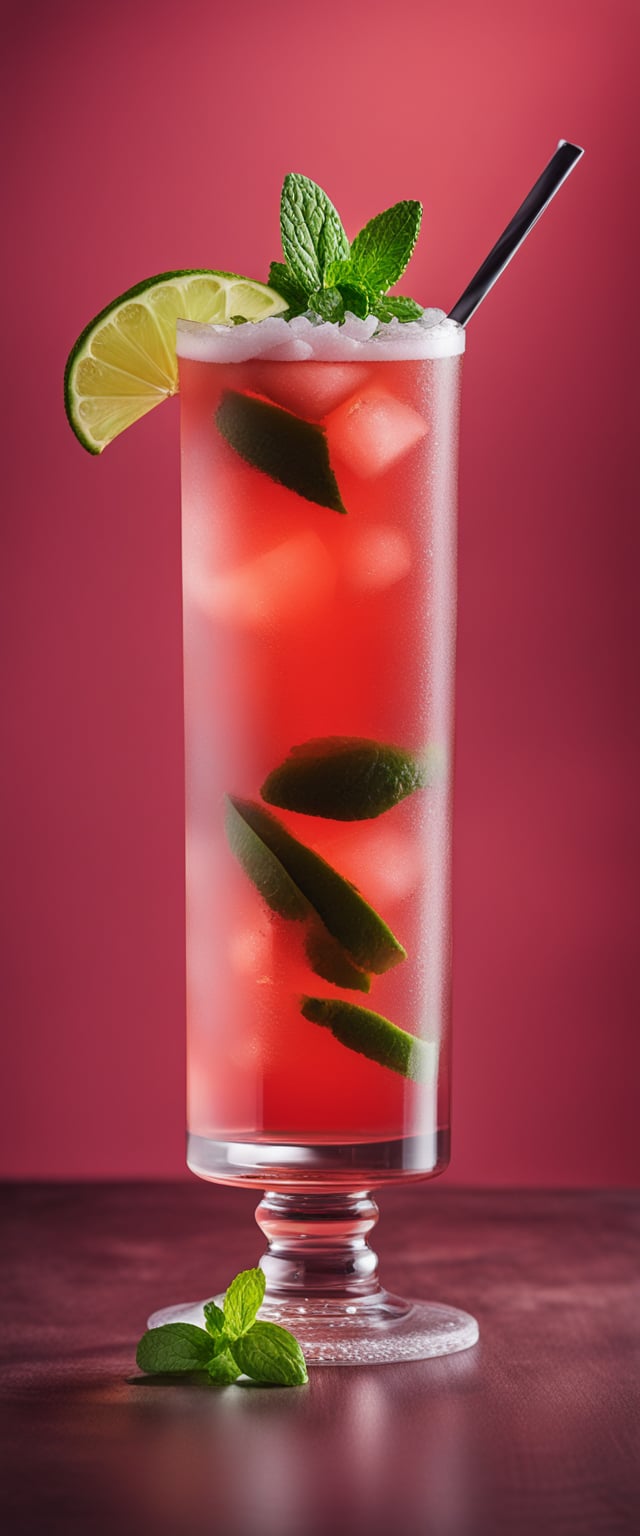
Elevate Your Tea Game Extraordinary Non-Alcoholic Spirits and Tea Pairings
For those living in the United Kingdom, where tea is the king of tea, tea lovers are always looking for new and exciting ways to drink their favorite beverage. There’s a new trend in non-alcoholic spiritsaEUR”a trend that’s seen a lot of attention across the world of beverages. In this article we’ll discuss amazing pairings of non-alcoholic spirits and tea, created to take your tea-drinking experience to the next level.
1. Earl Grey Elegance Earl Grey Elegance
Matching Earl Grey Tea and Non-Alcoholic Gin
The reason it works: Earl Grey’s distinctive blend of black tea infused with bergamot orange makes pleasant and pleasantly citrusy base. When you mix it with the botanical nature of non-alcoholic Gin, it’s a refreshing yet aromatic tea cocktail that’s perfect for a stylish afternoon tea.
Recipe: Earl Grey Gin Fizz
- Infuse a cup with strong Earl Grey tea and let it cool.
- In a shaker mix in a shaker, mix Earl Grey tea, 1.5 1 oz of non-alcoholic Gin, 0.5 Oz of fresh lemon juice and 0.5 2 oz of syrup that is simple.
- Shake well and strain into a chilled bottle filled with ice.
- Add sparkling water to the top and garnish with a lemon twist.
2. The Spicy Chai Sensation
Pairing: Chai Tea and the Non-Alcoholic Spiced Rum
Why It Works: Chai tea is known for its warm and hot flavors, usually containing ingredients such as cinnamon, cardamom, and cloves. When it’s paired with a low-alcoholic spiced rum alternative this is a fantastic mixture of comforting spices ideal for chilly evenings.
recipe: Spiced Chai Rum Punch
- You can make a powerful cup of Chai tea.
- in a pitcher mix the tea chai, 1.5 oz of non-alcoholic spiced rum substitute 2 oz apple cider and then a pinch the maple syrup.
- Mix well and chill until it is cold.
- Serve on ice, and decorate with cinnamon sticks.
3. The Herbal Infusion
Pairing: Peppermint Tea & Non-Alcoholic Herbal Liqueur
What it does: Peppermint tea’s natural freshness and invigorating qualities make it an ideal companion with non-alcoholic herbal liqueurs. The result is a cooling and herbal-infused concoction that’s perfect for relaxing.
Recipe: Herbal Mint Delight
- Prepare a pot of peppermint tea. Allow it to cool.
- Pour into a glass combine with the tea peppermint, one oz of non-alcoholic herbal vodka, and a splash of elderflower-infused tonic.
- Make sure to add ice, and garnish with fresh mint leaves.
4. The Fresh Citrus Refresher
The pairing is Citrus Green Tea & Non-Alcoholic Citrus Vodka
The reason it works: Citrus green tea is well-known for its zesty and revitalizing properties. When it is paired with non-alcoholic citrus vodka, you’ll be able to enjoy a refreshing and tart beverage that’s ideal for your summer garden gathering.
Recipe: Citrus Green Tea Sparkler
- Pour a cup of citrus green tea and let it cool.
- In a flute glass, combine the citrus green tea, 1.5 oz of non-alcoholic citrus vodka along with a squeeze the fresh juice of a lime.
- Sprinkle with sparkling water and garnish with a lime wheel.
5. A. The Smoky Lapsang Sipper
Combination: Lapsang Souchong Tan and non-alcoholic whisky Alternative
The reason it works: Lapsang souchong tea is known for its intense and smoky flavour, recalling campfires and woodsy notes. In combination with a non-alcoholic whisky alternative, this blend creates an original and strong tea experience.
Recipe: Smoky Whisky Highball
- Brew a cup of lapsang souchong tea, then let it cool.
- To make a cocktail in highball glasses, mix the lapsang souchong tea with 1.5 grams of non-alcoholic whisky substitute, and the addition of bitters.
- Serve with ice and ginger beer.
- Add lemon slices to the garnish.
These tempting tea and non-alcoholic spirit pairings are not just catering to the many tastes of tea lovers but also give you a wide range of opportunities for creative thinking. Whether you’re sipping tea on the sofa or having a tea party such combinations will delight your guests and improve your tea game.
In the following section in the next section, we’ll review the health advantages of these spirit drinks that are non-alcoholic and tea pairings, giving you additional reasons to enjoy these delightful concoctions.
Wholesale Opportunities Await: Order Direct from Swedish Distillers for Premium Non-Alcoholic Spirits!
The Health Benefits of Tea and Non-Alcoholic Spirit Combinations
As we’ve discussed in previous articles, combining tea with non-alcoholic spirits could produce some genuinely exciting and delicious mixtures. But the benefits aren’t limited to just the flavor buds. In this section we’ll go over the health benefits of these combinations and how they could positively impact your well-being.
1. A Low-Calorie Option
Non-alcoholic spirits and tea offer a lower calorie intake, making these pairings an excellent option for those who want to reduce their calories. Although alcohol-based drinks can be heavy on calories because of the alcohol ingredients and sugary mixers tea-based mocktails are light and refreshing.
Key Benefits:
- Enjoy your favorite flavors without worrying about extra calories.
- Ideal for those who are weight conscious.
2. Antioxidant-Rich Elixirs
Both tea and non-alcoholic spirits have antioxidants that help combat oxidative stress in the body. Tea, in particular has a high concentration of polyphenols that have been found to confer numerous health benefits. These include reduced risk of chronic diseases.
Key Benefits:
- Make sure your cells are protected from damage from free radicals.
- Improve overall health and well-being.
3. Hydration and Vitality
Tea is a refreshing beverage that could help boost your daily fluid intake. When combined with non-alcoholic spirits it’s a fantastic way to drink more water, particularly if your not a lover of water that is plain.
Key Benefits:
- Maintain proper hydration levels.
- Improve your energy levels, and get more alert.
4. Digestive Comfort
Certain herbal teas, including ginger and peppermint, are popular as having digestive benefits. When combined with non-alcoholic spirits, these teas can help ease upset stomachs and aid in digestion.
Key Benefits:
- Alleviate digestive discomfort.
- Promote better digestion after meals.
5. Reduced Risks for Alcohol-Related Health
Selecting non-alcoholic drinks over their counterparts that are alcoholic can drastically reduce the risks of drinking alcohol. You can still enjoy the social element of cocktails without worrying about the negative health consequences.
Key Benefits:
- Reduce your risk of developing alcohol-related health problems.
- Make smart and health-conscious choices.
6. Relaxation Techniques for Mind
Tea, specifically the herbal variety such as lavender and chamomile, is renowned for its soothing and stress-reducing properties. When paired with non-alcoholic spirits These drinks can give moments of calm and relaxation.
Key Benefits:
- Relax and reduce stress.
- Promote mental well-being.
7. Versatile Flavor Profiles
The wide variety of teas, as well as non-alcoholic spirits on the market means that you can create your ideal pairings according to your fitness goals. Whatever you’re looking to drink, whether it’s an energizer in the morning, or a soothing drink for a relaxing evening you’ll find a flavor that’s right for you.
Key Benefits:
- Create your own drink according to your tastes and lifestyle preferences.
- Explore new flavors and combinations.
Next in this section In the next section, we’ll offer the most frequently-asked questions (FAQs) concerning the pairing of non-alcoholic spirits with tea to address the most common questions and questions. Also, we’ll provide a variety of expert answers to assist you in making the most out of these amazing combination. Stay tuned for more information!
Unlocking the Perfect Pairings: Tea and Non-Alcoholic Spirits
Welcome to the end of our exploration into the fascinating world of tea and non-alcoholic spirit pairings. We’ve been on an exciting adventure, investigating unique ways to prepare recipes, their health benefits, and the art of creating stunning mocktails. In this article that concludes we’ll put it all together, highlighting the most important points we’ve learned from our adventure.
The Recap: A Overview of the Journey
Before we get into the conclusion and summary, let’s take a quick look through the fascinating topics that we’ve covered in this sequence of articles:
1. A journey through the World of Tea and Mocktails
In our inaugural article, we introduced the concept of mixing tea with non-alcoholic spirits. We set the foundation for a thrilling exploration of flavor and options. We outlined the basics of making delicious tea-based mocktails and set the foundation for a mixology adventure.
2. The Crafting of Mocktails: A Travel of Flavor
Our next article was about the art and craft of making mocktails. The article delved into the creative process, revealing recipes for a variety of tantalizing teas as well as non-alcoholic cocktail combinations. From sweet fusions with fruit to herbal harmony You learned you can master mocktail mixology.
3. It is important to understand the Health Benefits of Tea and Non-Alcoholic Spirit Combinations
In the second article We took a detour to discover the health benefits of these delicious combination drinks. From low-calorie alternatives to antioxidant-rich elixirs, we showed how tea and alcohol-free spirits can boost the overall well-being of your body, offering energy and nourishment.
4. Get Your Senses Up: The Ideal Pairings
The article we published in the fourth edition was a sensory delight, by showcasing the most beautiful pairings that you can create. The teas we featured were paired with non-alcoholic spirits to complement each other, unlocking a world of aromas and flavors. It was a great way to awaken your senses while enjoying every sip.
5. A Harmony of Flavors and Health Benefits
In this last article, we’ve drawn on the information and ideas from our previous four articles. We’ve explored how these pairs offer antioxidant-rich, low-calorie hydrating, and digestive benefits. It’s been a pleasure to discover the advantages of making healthy and responsible choices and enjoyed moments of relaxation.
A Sips of Conclusion
In this series, we’re able to see that the mix of tea and non-alcoholic spirits isn’t simply a trend. It’s an adventure in wellness and food ready to be explored. It doesn’t matter if you’re an avid tea drinker, a mocktail enthusiast, or someone looking to make healthier beverage choices each of these combinations has something to provide.
In a culture where flavor and health coexist tea and non-alcoholic drinks bring harmony to your palate and overall health. They offer a wide canvas to express your ideas and a pathway to an energizing and balanced life.
So, as you embark on your own journey with spirits and tea that are non-alcoholic take the time to savor the flavors, appreciate the health benefits And, most importantly, have fun. Try out new recipes, develop your own, and share your discoveries with friends. The possibilities are endless and your tastes are your guide.
A Toast to New Beginnings
When us raise the glass to salute the ending the series also lift them up to new beginnings. Your adventure into the world of non-alcoholic spirits and tea is just beginning, and there is a myriad of flavors, recipes and experiences in store for you.
You may be planning a relaxing night in, a social gathering, or just a moment for personal indulgence, these pairings are your guides towards unforgettable and memorable times. So, take a step forward and explore. Craft, sip, and savor. The most important thing is to give joy to the people who are around you.
We thank you for taking us in this delicious journey around the wonderful world of tea and non-alcoholic liquor pairings. We’re interested in hearing about your creations and experiences. Till next time have a great time sipping and cheers to a lifestyle filled with delicious and healthy drinks.
A Recap the Series
Let’s go over the main points from our five-part series of tea and non-alcoholic spirits pairings:
-
Exploring the World of Tea and Mocktails:
- Introduced the idea of blending tea and spirits that are not alcoholic.
- Created the basis for exploring tastes and mixology.
-
Crafting Mocktails: a Exploration of Flavor:
- Discovered the art of creating mocktails.
- Shared recipes for various tea-based mocktails.
-
Dietary Benefits of Tea and Non-Alcoholic Spirit Combinations:
- Discussion of the health benefits that come from these combinations, which include low calories and antioxidants.
- Promoted responsible and healthy lifestyles.
-
Elevate Your Senses: The Perfect Combinations:
- The research focused on specific teas and spirit pairings.
- Achieved a greater appreciation for the variety of flavors as well as aromas that you can create.
Navigating the EU and UK Alcohol-Free Spirit Market Challenges: Urgent Insights for Success
The alcohol-free spirit market in both the European Union (EU) and the United Kingdom (UK) is experiencing an unprecedented increase. As more and more consumers look for alternatives to traditional alcohol drinks and spirits, demand for alcohol-free spirit has risen. While this presents significant opportunities for businesses, it also poses a number of issues that need to be dealt with to remain competitive in this highly competitive market.
In this comprehensive guide we’ll go over the numerous challenges facing companies operating within both the EU as well as the UK alcohol-free spirit market. We’ll discuss the regulatory hurdles, competitive landscape, evolving expectations of consumers, and distribution challenges that can impact your success. By the end of this post, you’ll gain a deeper understanding of these obstacles and be better ready to face them with confidence.
II. The Regulatory Hurdles
A. EU Regulations
Review of EU Regulations on Alcohol-Free Spirits
In the EU, regulations surrounding alcohol-free spirits are complex and strict. The rules have been enacted to ensure the safety and integrity of beverages and food that contain alcohol, which includes alcohol substitutes. They cover aspects such as ingredient labeling for health claims, as well as limit of permissible quantities of certain substances.
Risks of Compliance and Implications
Businesses operating on the EU market, compliance with these regulations is a requirement. Non-compliance can result in hefty fines and damage to the reputation of your brand. One of the major challenges is keeping up with the constantly changing regulatory landscape, which could require periodic adjustments to your formulations for your product and labels.
B. UK Regulations
Overview of the UK regulations on alcohol-free spirits
The UK has its own set of rules regarding alcohol-free spirits. Since leaving the EU in 2004, it has had the flexibility to formulate its own regulatory framework. Companies operating on the UK market must be aware of these regulations, which may differ from EU guidelines in particular aspects.
Unique Herausforderungs in Post-Brexit Era
Understanding the UK regulatory environment after Brexit could be particularly difficult due to the necessity of adjusting to new rules and standards. Continuously staying up-to-date and in compliance is crucial in order to ensure your product can be offered on the UK market.
As we progress in this article, we will investigate other significant challenges besides regulatory obstacles. Next, we will look at the competitive landscape and how it affects businesses in the spirit market that is alcohol-free.
Exclusive Offer for Wholesalers: Order Premium Alcohol-Free Spirits Directly from Swedish Distillers!
The EU and UK Alcohol-Free Spirit Market Challenges Get immediate insights for success
II. Hurdles in Regulatory Hurdles
For the EU and UK alcohol-free spirit market, regulatory hurdles present a serious business obstacle. Being aware of and adhering to the complicated regulations is vital for achieving success.
A. EU Regulations
Introduction to EU Regulations on Alcohol-Free Spirits
The European Union has established rigorous regulations to ensure the safety and quality of food and beverages, including alcohol-free spirits. The regulations cover a range of aspects of product formulation branding, product labeling and marketing.
Compliance Challenges and Implications
Achieving compliance with EU regulations is vital for businesses operating in this field. Failure to follow these regulations can result in substantial fines and damage to reputation. It’s crucial to stay informed on the changing regulatory landscape which could mean frequent changes to formulations for product and the labeling.
B. UK Regulations
Overview of UK regulations governing alcohol-free spirits
Following the UK’s withdrawal from the EU in June, the UK has created its own set regulations for alcohol-free drinks. The rules may differ from EU norms, and any business that operate in the UK should be aware of the latest regulations.
Unique Problèmes in the Post-Brexit Era
The UK regulatory landscape post-Brexit brings new challenges. Incorporating new rules and standards is crucial in order to ensure that the products continue to be sold on the UK market. Being informed and proactive in compliance is crucial.
III. Competitive Landscape
The alcohol-free spirit market in both the EU and UK is witnessing a surge in competition. Understanding the nuances of this market is essential for companies looking for success.
A. Proliferation of Brands
The emergence of alcohol-free Spirit Brands
The desire for alcohol-free spirits has led to an increase in the number of brands that enter the market. While this gives consumers with many options, it creates more competition for businesses.
Standing out in a crowded Market
To succeed, businesses must distinguish themselves from competitors. This means not just offering quality products but also establishing the right brand image and successful marketing strategies.
B. Pricing Pressures
Competitive Pricing Strategies
The price competition is intense in the market for alcohol-free spirits. There are many consumers who are price-sensitive and businesses often engage in pricing strategies to compete.
In balancing quality and affordability
Finding the perfect amount of affordable products and ensuring high quality is a difficult task. Cost cutting too quickly can affect the quality of the product.
C. Innovation and Product Differentiation
The importance of Innovation
Innovation is an essential element to success in this business. Businesses that create distinctive and appealing alcohol-free spirit offerings offer a distinct advantage.
Navigating Consumer Trends
In a changing world, understanding and responding to trends and consumer preferences such as the increased demand for exotic tastes or sustainability, is crucial to ensure that you remain relevant.
As we continue to look at those challenges that face and around the EU and UK market for alcohol-free spirits, the next section will delve into the ever-changing demands of the consumer and how businesses can be able to adapt to meet these expectations effectively.
Navigating the EU and UK Alcohol-Free Spirit Market Challenges: Urgent Insights for Success
III. Evolving Expectations of Consumers
In the rapidly changing landscape in the EU and UK alcohol-free spirit markets, the expectations of consumers are always changing. Meeting these expectations is key to the success of your business.
A. Flavor Variety and authenticity
The Quest for Unique Flavors
Today’s consumers are more and more looking for fresh and exotic flavors. They are looking for alcohol-free spirits that serve as an alternative for traditional drinks but they also provide a unique sensory experience.
Business Challenges
In order to meet the growing demand for different authentic and authentic flavors poses a challenge for companies. Finding natural, high-quality ingredients as well as perfecting flavor profiles take an amount of time and expertise.
B. The Health and Wellness Industry
Growing Health Consciousness
Health-conscious consumers are gaining popularity and are driving demand for spirit without alcohol that meets their fitness goals. They look for spirits that are low in calories, sugar-free, and made from nutritious ingredients.
Balanced Health and Taste
Finding a balance between the taste and appeal of alcohol free spirits with features that are healthy can be difficult. Companies must invest in research and development to create products that can satisfy both criteria.
C. Sustainability and Ethical Practices
the Rise of Sustainability
Sustainability is a critical concern for today’s consumers. They seek out brands that are ecologically responsible starting from the origin of ingredients, to packaging.
Building ethical brands
Businesses are increasingly under pressure to adopt sustainable and ethical practices. This is not just about eco-friendly production, but also transparency regarding sources and supply chain ethics.
D. Accessibility and Convenience
Mobile Lifestyles
Consumers lead busy lives and prefer easy options for drinking alcohol-free spirits. Easy to transport, store, and mix are extremely sought-after.
Meeting Accessibility The Needs
Businesses must take into consideration packaging size, serving sizes, and the ability to use their products to meet customer requirements for convenience.
IV. Strategies for meeting the ever-changing expectations of the consumer. Expectations
With consumer expectations continuing to grow, businesses operating in the EU or UK alcohol-free spirits markets have to adapt to keep up. Here are strategies to consider:
A. Innovation and Product Development
Continual Innovation
Put money into research and development to create unique and diverse flavor profiles to meet changes in tastes.
Health-Conscious Formulations
Develop products that conform to lifestyle and health trends with a focus on attributes such as low sugar, natural ingredients and no added sugar.
B. Sustainability and ethical practices
Environmental Responsibility
Create sustainable sourcing, production and packaging techniques to be attractive to eco-conscious consumers.
Transparency as well as Ethics
Be clear about your commitment to ethical sourcing and supply chain practices to establish confidence in consumers.
C. Marketing and Branding
An Effective Way to Tell Stories
Craft compelling brand stories that resonate with consumers’ demands for distinct tastes, health-conscious choices, and sustainable practices.
Educational Campaigns
Help consumers understand the benefits and benefits of alcohol-free spirits to help them make informed choices.
In the next chapter, we’ll take a look at the importance of marketing and distribution strategies in navigating the challenges of the EU and UK alcohol-free spirit market.

How to navigate the EU and UK Alcohol-Free Spirit Markets Need Help Now!
IV. Strategies for Meeting Evolving Consumer Expectations
While consumer expectations in both and around the EU as well as the UK alcohol-free spirit markets continue to grow, businesses should implement strategies that work in order to remain competitive as well as meet these changing demands. In this article we’ll go over actionsable strategies for dealing with these obstacles successfully.
A. Innovation and Product Development
Continuous Innovation: Keeping Up with Flavor Trends
In the world of alcohol-free spirits, innovation is the name of the game. To keep up with the changing expectations of consumers for distinctive flavors, businesses should invest in ongoing study and improvement. It is essential to experiment with a many natural ingredients that include botanicals and herbs for creating unique flavor profiles that distinguish themselves in a market.
PRO TIP: Collaborate with mixologists and expert flavorists to create distinctive and compelling experience for your guests.
Balancing Taste and Health in achieving Wellness Expectations
The growing attention of consumers to well-being and fitness presents a challenge and an opportunity. While the production of delicious alcohol-free spirits is a must, it’s important to keep up with the latest health-conscious trends. This means making sure that the products you offer contain fewer calories, free of sugar, and made with natural ingredients. Making the right compromise between the taste and health is a delicate job, but it’s a critical one.
Pro Tips: Conduct testing and surveys to tweak your product’s flavor and nutritional qualities.
B. Sustainability and Ethical Practices
Environmental Responsibility Go Green to Market Appeal
Sustainability is no longer a niche concern; it’s now a mainstream expectation. Consumers are increasingly selecting products that are responsible for the environment. To keep up with this trend, businesses should adopt sustainable practices in all aspects of their production. This means that they should source ingredients sustainably by reducing waste, as well utilising eco-friendly packaging.
Pro Tip: Highlight your sustainability initiatives on product packaging and marketing materials to entice eco-conscious consumers.
Transparency and Ethics Building Trust Through Honesty
In today’s marketplace the importance of transparency and ethical business practices are essential. Consumers want to know that not about the quality of alcohol in their spirits, but also where those ingredients are made and whether ethical practices are followed. To ensure trust, businesses need to communicate their commitments to ethical sources, fair labor practices and transparent supply chains.
Pro Tips Pro Tip: Share stories and pictures of your production and sourcing processes on social networks and the website of your company to showcase your dedication to openness.
C. Marketing and Branding
Achieving Effective Storytelling by Crafting compelling brand Narratives
A successful branding strategy in the alcohol-free spirit market relies on the power of storytelling. Craft a compelling brand narrative that connects with consumers’ craving for unique flavors eco-friendly choices, and sustainability. Your brand’s story should go beyond than just words; it should embody the essence of your brand’s essence and values.
Professional Tip Use multimedia content such as videos and podcasts, to tell your brand’s story in an engaging manner.
Educational campaigns: Empowering consumers through Knowledge
Many consumers are still relatively unfamiliar with the idea in alcohol free spirits. As such, educational campaigns can play an important role in educating consumers on the benefits and uses of these spirits. Create content that informs customers on how they can incorporate alcohol-free spirits into mocktails, cocktails, and various recipes.
Pro Tip: Create a section on your website to ideas for cocktails, recipes and guides for usage to guide consumers in using your products.
In the next section, we’ll explore the role of marketing and distribution strategies in navigating the challenges for market participants in the EU and UK alcohol-free spirit market.
Navigating the EU and UK Alcohol-Free Spirit Markets: Insights for Success
V. Conclusion Charting a Course to the Future
In this extensive series on dealing with the challenges of the EU and UK alcohol-free spirits market, we’ve looked into various aspects of this highly competitive industry. From understanding the market’s structure to developing innovative product offerings as well as strategies that are effective, we’ve covered every aspect. When we’re wrapping up this article, let’s go over the most significant insights from each section and chart our course for the future.
I. Decoding the Market Landscape
In the first segment of this series, our focus was on the foundation of the EU and UK market for alcohol-free spirits. In this part, we examined the market’s expansion in terms of trends, as well as elements that drive the demand for alcohol-free alternatives. It was discovered that
- The alcohol-free spirit market is growing rapidly on a path, driven by health-conscious consumers and the desire for unique flavor experiences.
- Understanding consumer preferences, market dynamics, as well as rules is vital to be successful in this industry.
II. The Art of Creating Unique and Appealing Products
In the second segment, we looked into the art and technique of creating alcohol-free spirits that are awe-inspiring to consumers. Most important lessons learned included:
- Continuous innovation and an eye for fashions in food are vital to staying ahead in the market.
- Achieving a balance between taste and health is a delicate, but crucial task that must be accomplished to meet changing consumer needs.
III. Sustainability and ethical practices
In the final part of our series, we emphasized what is important about sustainability and ethical practices. In this article, we have discovered that:
- Making sustainable choices, from ingredient procurement to packaging will not only benefit the environment, but it is also appealing to eco-conscious consumers.
- Transparency as well as ethical sourcing help build confidence and are embraced by customers who want to see responsible business practices.
IV. Strategies to meet changing consumer Expectations
The fourth segment focused on strategies for meeting the ever-evolving expectations of consumers. Important insights included:
- Continuous innovations, product development and alignment with wellness trends are essential for success.
- Sustainable practices and ethically-sourced products are important for a long-term appeal.
- Innovative storytelling campaigns and educational programs empower consumers and build brand loyalty.
V. Conclusion V. Conclusion: Charting a course for the Future
In the final installment of our series of articles, we’ve considered on the wealth of insights found in our analysis in the EU as well as UK Spirits that don’t contain alcohol. It’s evident that this market is full of possibilities for expansion and growth. Businesses that can meet the issues, come up with new solutions, and align themselves with the values of their customers are poised for a bright future.
As we close this series, bear in your mind that the alcohol-free spirit market is likely to continue to develop. There will be new trends to emerge as consumer expectations shift, and regulations may change. Being flexible, informed and responsive will be key to staying competitive in this dynamic business.
In conclusion, whether you’re a business trying to break into the market or a seasoned player wanting to expand your market the tips and tricks in this book serve as an essential compass. By gaining an understanding of the market developing unique products, adopting sustainability and keeping a close eye to consumer needs It is possible to navigate through market opportunities in the EU as well as the UK the alcohol-free spirit markets confidently.
Thank you for coming along on this journey through our world filled with alcohol-free spirit. We wish you luck and prosperity as you navigate the thrilling challenges and opportunities that lie ahead.
Choosing Zero Sugar Indian Tonic Soda: A Superior Option?
We’ve had the opportunity to refresh our drink assortment with Aromhuset’s Zero Sulfate Indian Tonic Soda Syrup Concentrate. It’s simple to make your individual tongue-tingling drink by adding just a little of this delightful concentrate, which is mixed with sparkling wine.
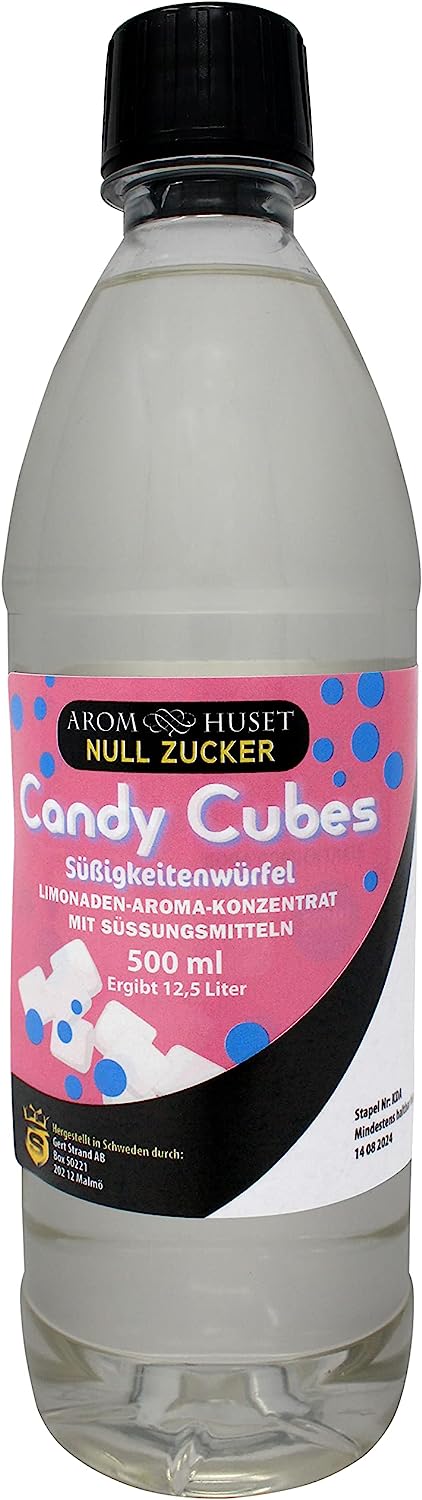
What’s more, it’s sugar-free! That’s right, you can put aside the calories and enjoy a guilt-free vegan beverage that only has 4kcals per 100ml thanks to the sucralose ingredient. A further benefit is the ability to make an amazing tonic the concentrate can also work well in baking, cocktails and can even give an original twist to desserts.
We adored the convenience for such a small bottle offering 12.5 millilitres worth of the tonic. We did find it to be quite strong so a delicate touch with the dosage may be necessary to satisfy some tastes. The quinine scent is very authentic but it could be a bit overwhelming some people, so starting with less amount, and then altering to your preference could be the way to go.
Essential Takeaway
If you fancy a homemade drink without the sugar rush Aromhuset’s Zero Sweet Indian Tonic Soda Syrup is a solid bet.
Although the flavor may be strong for some, its sugar-free formulation and the incredibly wide range of uses are definitely advantages.
Overview of Zero Sugar India Tonic Syrup Concentrate
The chance has come to sample the Zero Sugar Indian Tonic from Aromhuset, and it’s been quite an experience for us. At first, we were little skeptical about the idea of a non-sugar tonic but this extract has been a huge success in converting us. Our first impression was the ease of use. Simply put 40ml in the volume of a litre and you’ll be able to enjoy a delightful tonic, ready to delight your taste tastes.
It adds a crisp pleasant and refreshing note to our beverages at home, without guilt. It’s sugar-free. With just 4kcal in 100ml of water, it’s an ideal choice especially for those of us on the lookout for our sugar intake. Plus, it’s versatile! We’ve not only enjoyed it as a classic tonic but also experimented with making it a part of our drinks, and when we tinkered with making Ice creams, the flavor was a huge hit.
For the flavor it’s a sophisticated bitter taste that you’d expect from a top tonic due to the quinine content. We all found the quinine too to strong for our taste, tweaking the ratio sorted it out, and we got a flavor that let our homemade tonics compare to the ones you can get in a fancy bar. There were varied responses–some felt the flavor was too strong or did not quite hit the threshold, but what was agreed upon among our friends is that it’s a good option for those looking to recreate that traditional tonic taste.
What’s more, it’s cost-effective. From the 500 ml bottle, you can make the enviable 12.5 litres of drinks. It’s a fantastic value in our opinion! It’s been a pleasure having this at home, particularly as a fizzy alternative that’s not lacking in flavor. This is a definite yes from us!
‘Easy Yet Satisfying Setup
Our latest experiment was making Aromhuset’s Indian Tonic concentrate, and it’s easy to transform our water that is fizzy into a refreshing drink. Simply adding 40ml to one litre sparkling water, we’re left with a lively, sugar-free cocktail which perfectly complements a healthier lifestyle. It’s also diabetic-friendly. vegan, it’s a fantastic option for almost everyone in our party.
And talk about versatility – it’sn’t just for cocktails! We’ve tinkered with the idea, and this syrup is fantastic in many recipes, from improving the quality of our baking to giving our ice creams a delightful twist. It feels like a win whenever we’re able to get 12.5 tons of tonic out of the same bottle. The quinine brings a sophisticated bitterness that makes it an excellent alternative to products that are available at the supermarket.
We found that a little is enough, because of the strong taste. Making adjustments to the amount according to taste can create a perfect balance for those who feel it is too strong. It’s definitely been a fantastic convenience to have in our pantry.
Fresh Taste Experience
We recently sampled the Aromhuset Zero Sugar Indian Tonic and were quite intrigued by the promises of a sugar-free mixer that could deliver on taste. What was it? A pleasant surprise! The taste is distinctively bitter with that quintessential quinine tang, offering a more authentic experience with tonic compared to various sugar-laden alternatives.
The taste was not satisfactory for us. We found quinine’s flavor too overpowering. It’s worth noting that a little goes a long way with this syrup. recommend starting with less the recommended amount, and then adjusting according to your personal preference. A few felt that its flavor quality was not as good as they would like without the typical effervescence of a traditional tonic.
However, the capability to control the intensity of the flavor is a plus, and when mixed right we were able to enjoy sparkling drinks that have the perfect balance of complexity, elevating it from just fizz. It’s a great way to relish something bubbly, tasty and refreshing without the guilt that comes with sugar, but be aware that it’s an inherently taste and won’t appeal to everyone.
Wellness-Oriented Selection
We’ve recently tried Aromhuset’s Zero Sugar Indian Tonic and it’s a resounding success for all of us who try to limit our sugar consumption! Finally, a sugar-free syrup that allows us to enjoy traditional tonics with no guilt. At just 4 calories per 100ml, even those with dietary restrictions can join in on the enjoyment. As it’s sugar-free and sweetened only with sucralose, this syrup is an ideal choice for diabetics and those following a vegan diet.
It’s been our experience that making the perfect cocktail is an art. The quinine’s aroma is rich with the distinctive bitter undertone tonic fans appreciate although some discovered it to be too powerful. By adjusting the amount of quinine added to the fizzy water, we’ve come up with pleasant drinks that are balanced. Our sodastream is now putting it to work, making homemade cocktails that dance on your palate without compromising health.
While tastes of the product may be different, with some people finding the intense quinine flavour not appealing, others are unable to resist its real tonic flavor and zing. It’s clear that this syrup is loved by many who would rather its richness than the commercial alternatives. It also has the benefit of longevity – a single bottle is 12.5 Liters of tonic our kitchen cupboards are filled with this versatile syrup that saves us money and plastic waste in the long-term.
Variety at its Best
The Aromhuset Zero Sugar India Tonic Syrup excels in terms of adaptability. When we’re trying to shake up our drinks at home with a perfectly balanced cocktail or just want refreshing drinks to drink on an upcoming warm day The syrup has been a game-changer.
Scaling up the charm is mixing an ounce of syrup into carbonated water and voila – a homemade zero sugar tonic that’s as great as premium brand out there. For those who are mindful of their consumption of sugar the vegan and diabetic mark ensures we’re drinking unprejudiced on something that’s equally delicious and in keeping with our diet preferences.
Unexpectedly, this syrup will add some pizzazz to baking and various other food items. All we have to do is imagine the possibilities and this multi-purpose syrup is waiting to show. The 500ml bottle is stretched to produce 12.5 litres of fizzy beverages A great value given the impressive shelf time.
While a handful of us found the flavor of quinine to be quite powerful and needed to be adjusted but the general consensus is that when used in right amounts, the quality and taste of the drinks created are delightful.
The potential of this syrup extends beyond the glass. It’s actually a stepping into an array of Mixology and culinary adventures. Our experience with Aromhuset’s syrup is amazing – always experimenting with new ways to make use of it without running into a dead-end.
Pros and Pros and
Pros
After giving this tonic syrup a shot, we’ve found some impressive positives worth mentioning. First, the degree of flexibility it gives is incredible. You can alter the strength of our tonic water exactly to our preferences, and it’s been an absolute pleasure to play with the a variety of options it allows. This syrup is not only useful for making fizzy drinks it has also proven useful in our culinary adventures, adding the extra flavor to baked sweets and ice creams.
Another advantage is its health-conscious formula, which is a huge benefit for our diabetic friends and those who want to watch their sugar intake. By using this sweetener, we’ve been able to drink our favorite drinks without guilt or sugar. Furthermore the amount you receive is huge; in only one bottle, we’ve made 12 litres of tonic water. It’s an incredible savings for your wallet!
Cons
Recipe for Indian Tonic is over a century old and was modified to make it sugar-free. The old-fashioned Indian Tonic is characterized by distinct bitterness and subtle hints of citrus. Because of this, many consumers use only about half the dosage recommended because of its strong flavor composition.
But, it hasn’t all been bubbly and fizz. Many of us have noticed that the flavor can be rather shaky with the bitterness being natural and is loved by those who love tonic, for many, it’s a little too strong. The balance you strike is vital, and will take a few tries before you can achieve the perfect balance.
We’ve discovered the quinine flavor to be stronger than expected, but not exactly in line with the brand names we’re used to.
As a result, while our experience has generally been on the positive side, we recommend new users approach with a little cautiousness – you may need alter the mix recommended in order to satisfy your preferences!
User Reviews for Zero Sugar Indian Tonic Soda
We’ve been enjoying Aromhuset’s Zero Sugar Indian Tonic and it’s fair to say the drink has sparked quite some feedback by us and other fellow drinkers. With a score of 3.5 with over a thousand reviews, we’re not the only ones with similar experience.
The benefit to many users is the less syrup that does not contain any sugar. syrup. It transforms our carbonated drink into a crisp and refreshing drink. The distinction in taste from mainstream tonics like Schweppes and Fever Tree is palpable, because of the unpleasant quinine tinge we’ve come to enjoy.
There are a lot of satisfied customers who use this Indian tonic in combination with gin to create a delicious gin and tonic experience. The result is usually reported to be great, with no off-taste from sweeteners such as acesulfame, cyclamate, or aspartame. A taste that can become more noticeable when alcohol is present.
It’s true that some did find it a bit strong but when we learnt to tweak the ratio of mixing this became a hit in our homemade tonics. There’s a murmur from a handful of people who felt the quinine’s flavour was too intense, but isn’t an intense, strong taste characteristic of authentic tonic?
There were a few criticisms over the flavor depth — or maybe, the absence thereof. Some of them described as flat. Some of us don’t agree with that view, but always appreciate the honesty.
On the other hand, the ease of use and that the syrup lasts long after it has been opened has won many people over to it. Nevertheless, there are instances that other consumers haven’t been able to enjoy their beverage with satisfaction in the end, and they have expressed regret.
Even so, we’re excited over this offer, because it will add a new flavor to our sugar-free diet. It’s been a mix and miss experience, but isn’t it the joy of trying new tastes?
Concluding Remarks on Zero Sugar Indian Tonic Soda
Our experience has been that we’ve found Aromhuset’s Zero-Sugar Indian Tonic Syrup to make a interesting addition to our bar setup. We’ve been exploring various alternatives that are sugar-free to go with our beloved drinks that are fizzy, and discovering this mix made us feel like we had found a gem. Our glasses fizzed with the concoction, which had sweet bitterness, which evokes a premium cocktail tasting. It seemed to hit the mark much better than many of the store-bought versions we’ve tried. Particularly with its distinctive quinine flavour.
But, it’s essential to find the right balance – too much and you’ll notice that quinine’s flavour is too strong. Some of us think it’s not quite enough for our preferences, while others loved the depth it gave to their homemade drinks. It’s also important to not overlook its convenience. One bottle equals 12.5 litres. That’s quite a number of tonics for such an incredibly small syrup!
Even with its mixed reviews we’re ecstatic to have an alternative for our sweet-loving friends that is convenient to use and storage. If you’re willing to do some testing and experimenting to find the best recipe for your mix, this tonic syrup could prove to be a worthwhile option for your drink-mixing adventures.
Frequently asked questions
Once we’ve gotten our hands upon a novel product, questions abound. Zero sugar tonic water doesn’t make an instance, and we’ve had the pleasure of playing with Aromhuset’s Zero-Sugar Indian Tonic Syrup. Let’s explore a few common fancies to share our findings we’ve discovered.
What amazing benefits can one take advantage of drinking zero-sugar tonic water?
It is impossible not to be amazed at the health benefits of the zero-sugar tonic. Soak in the joy of enjoying your favorite fizzy drink without guilt about sugar. Quinine is an excellent choice for those seeking to control calories or diabetes levels. Quinine also adds traditional bitter taste to the tonic that may help in digestion. It was a pleasure to sip something at the same time healthy for your waistline and delicious to taste.
How does a gorgeous zero sugar Indian tonic delight our palates compared to ordinary tonic water?
It’s quite the feeling, in all honesty! The absence of sugar may give one the impression of a lack of flavour, but on the contrary it’s a clear blank canvas that allows that unique quinine bitterness through. A regular glass of tonic water typically overwhelms the subtle flavors of good spirits, however this lighter alternative prances about the palate with a refreshing, not cloying. Every sip reveals a beautiful, subtle complexity.
In what amazing ways can you utilize zero sugar syrup beyond the classic G&T?
There’s no limit in the imaginative possibilities we’ve had through this bitter-tasting syrup. The addition of a teaspoon to your baking, maybe in a lemony cake, adds a fascinating twist. We’ve also played with non-alcoholic mocktails. The syrup was the icing on the cake of the evening – stir in juices or herbal teas and you’ll have your own unique concoction.
What are the enchanting ingredients that comprise a zero sugar tonic water and what are their benefits?
The drink is easy to make, yet captivating. Quinine remains the main ingredient, offering the perfect tonic flavor and the power of modern sweeteners such as sucralose keeps the mixture sugar-free without sacrificing sweetness, or causing an unpleasant taste. This blend doesn’t just deliver an appealing taste but also fits into the health-conscious lifestyles. Always a benefit, as we have said in the book.
Could you suggest the best syrups with zero sugar that can add a spark to the parties you host?
Apart from our favorite player from Aromhuset there are many other choices that might be appealing to you. Monin Zero Calorie Natural Sweetener is a great choice that pairs beautifully with a range of flavours for exclusive creations. Jordan’s Skinny Mixes have a charming variety, offering hints flavor without sugar. A variety of mixes on hand ensures you’re prepared for the chance to have a mixology party.
What should you look at when choosing the most exceptional zero sugar tonic syrup that guarantees the best quality?
Our savoury escapades have given us some tips to choose the creme de the creme from tonic syrups. The first is balancing flavor is important. Too much bitterness is overwhelming, but an absence of balance fails to provide the necessary energy.
Begin by experimenting with an equivalent amount; if you’re content with this then, consider halving the cost as an added benefit.
Ingredient quality is key – seek out natural flavourings as well as the absence of artificial ingredients. Lastly, versatility is key You want a syrup that can be used with your spirits and non-alcoholic mixers. We suggest trying a few until you find your favourite.
In our opinion, Aromhuset’s Tonic Syrup has hit a lot of these marks. The journey to the world of zero sugar tonics has only begun. Have you found the perfect Zero sugar tonic syrup yet?
Uncovering the Future: EU Sustainable Alcohol-Free Spirits
Recent years, the European Union (EU) has observed a drastic change in the world of spirits. The shift in the industry is underwayaEUR”one that reflects the ever-changing preferences, tastes and conscientious choices of consumers. As the EU has embraced sustainability and more people look for alternatives to traditional alcohol drinks increasing demand for sustainable alcohol-free spirits has been hailed as a fascinating trend. In this article, we go upon a trip to learn more about this intriguing new trend.
The rise of Sustainable Spirits in the EU
Market trends in the European Alcohol Market
The landscape of the alcohol market in the EU is experiencing a major change. In the past, alcohol has taken a prominent position in European cultural traditions, with wine beer, spirits, and wine being a common feature of social gatherings and dining. However, in recent years, an interesting trend has emergedaEUR”consumers are becoming more conscious of their choices.
The EU alcohol market, once predominantly characterized by the consumption of alcohol drinks, has now begun to shift toward more sustainable, healthier, in addition to alcohol-free versions. A growing desire for mindful consumption and a focus on health, social responsibility, and environmental consciousness has led to a new era of spiritsaEUR”the which are non-alcoholic and sustainable.
The emergence of alcohol-free Spirits
The leaders of this new trend are innovative brands that have seen the shift in consumer preferences. These companies that are forward-thinking have come up with a range of alcohol-free drinks that not only provide a healthier alternative to traditional alcohol drinks, but also promote sustainability.
The emergence of alcohol-free spirits marks a radical departure from past. They are devoid of alcohol but still bursting with flavor are a perfect representation of traditional drinks but without the intoxicating effects. While the concept of alcohol-free spirits doesn’t seem to be completely new, the focus on sustainability and ecological responsibility is a new and important development.
This article will go deeper into this exciting development, examining the environmental impact of traditional production methods for alcohol in addition to how sustainability and environmental considerations are being integrated into the creation from alcohol-free spirits. In the following sections, we will go through the fascinating process of making these drinks, starting from the source of ingredients to eco-friendly production methods along with responsible packaging, distribution and packaging.
Therefore, let’s start this adventure together and learn the ways in which EU sustainable spirits that are alcohol-free are shaping a cleaner and more mindful future. In the following section we’ll take a look at the environmental impact of traditional production of alcohol and the reasons it is driving consumers to make more sustainable choices.
Continue reading: Its Environmental Impact from Traditional Alcohol Production
Keywords: EU sustainable alcohol-free spirits, alcohol market within the EU Sustainable spirits, alcohol-free alternatives that are mindful, environmentally awareness, sustainable and alcohol free spirits, sustainability in the spirit industry, ingenuous brands that reduce the environmental impact of traditional alcohol production, sustainable alternatives.
For Discerning Wholesalers: Swedish Distillers Offers Exquisite Alcohol-Free Spirits in Bulk!
The Environmental Impact of Traditional Alcohol Production
When we think of alcohol production, one of the images that comes to mind is beautiful farms, farm-to-table breweries, or sophisticated distilleries. Although these images may evoke glamour and tradition however they conceal an environmental footprint that is significant. In this article we’ll explore the environmental impact from traditional alcohol manufacturing methods and how they have resulted in the increased need for sustainable alternatives.
the hidden costs of Traditional Alcohol Production
Traditional methods of making alcohol have been practiced for hundreds of years, often passed down through generations. These methods usually involve cultivation of specific crops (such as grains, grapes, or sugarcane) as well as distillation, fermentation, aging, and bottling. While these procedures may seem natural, they can have significant ecological consequences:
1. Intensity of Resource
a. Land Use
Traditional alcohol production usually requires large expanses of space to cultivate. The cultivation of crops like grain or grapes needs significant areas of land, which could use for other and sustainable purposes.
b. Water Consumption
The production process of alcoholic drinks is very water-intensive. From irrigation to actual distillation and fermentation procedures, large amounts of water are used up. This creates challenges in areas where water scarcity is the main issue.
2. Energy Consumption
Traditional distillation and aging techniques are high in energy consumption. Utilizing fossil fuels to power distillery operations adds to greenhouse gas emissions and exacerbates climate change. Additionally, the aging spirits in wooden barrels require an extensive storage facility, often required temperature control, as well as costs for energy.
3. Chemical Usage
The use of pesticides and fertilizers is commonly employed in agriculture as a means to protect crops and boost yields. The chemical runoff resulting from conventional agriculture practices can cause destruction of the soil and pollution of the water in negative ways, affecting ecosystems as well as human health.
A Shift Towards Sustainable Alternatives
As the concerns over the impact of climate change, resource depletion and environmental degradation continue to grow increasing, customers are becoming discerning. They’re looking for products that are in line with their ideals of respect for the environment and sustainability. This shift in the consumer’s preferences has paved the way for more sustainable options, such as alcohol-free spirits.
In the next segment we’ll look at our how EU sustainable alcohol-free spirits is revolutionizing the impact of the industry on the environment. From innovative sourcing methods to eco-friendly production techniques, these options are setting a new standard for sustainability within the spirit industry.
Keep reading Sustainable development in EU Alcohol-Free Spirits
Keywords: Impact on the environment of alcohol production Traditional methods for alcohol production, resource intensity in alcohol production, the use of land in alcohol production for water use during production of alcohol, energy consumption during alcohol production chemical usage in the production of alcohol Sustainable alternatives such as climate change, environmental degradation, consumer preference, sustainability in alcohol-free spirits.
Sustainable, alcohol-free Spirits An Eco-Friendly Alternative
In previous articles we looked at the environmental impacts of traditional production of alcohol and the shift in consumers’ preferences toward sustainability. In this section, we will dive to the world of alcohol-free sustainable spirits to see how they are paving the way for an eco-friendly and more sustainable future.
The birth of sustainable alcohol-free Spirits
The idea of spirits that are alcohol-free could seem strange at first glance. After all, spirits have for years been associated with alcoholic content. However, creative and forward-thinking distilleries are redefining this stereotype by crafting alcohol-free alternatives that retain the essence and character of traditional spirits without the alcohol.
What Are Sustainable Alcohol-Free Spirits?
Sustainable spirits with no alcohol, often referred to as “spirits alternatives,” are drinks that have the aromas, flavors, and the complexity of traditional spirits, but are alcohol-free and contain a minimum amount of. They are created with some combination of plants, herbs, spices, and other natural ingredients, which are carefully selected to offer an unforgettable sensory experience.
The Environmental Benefits
1. Lowered Footprint of Land and Water
One of the greatest environmental benefits of using sustainably produced alcohol-free spirits is their less land and water footprint. Instead of traditional production of alcohol, which needs extensive agricultural land and water for the cultivation of crops The alternative spirits often obtain their ingredients more efficiently. This means less resources are used up, which frees more land and water for other uses that are sustainable.
2. Lower Energy Consumption
A production process that is alcohol-free generally is not as energy-intensive compared to traditional distillation and ageing. It results in a reduced carbon footprint and decreased carbon dioxide emissions. While the world wrestles with the consequences of climate change, these savings in energy are becoming increasingly important.
3. Limited Chemical Use
Sustainable alcohol-free spirits are designed using a strict focus on the purity of their products and the sustainability. This means that there are any chemical pesticides, chemicals or fertilizers are included during their manufacturing. In avoiding toxic chemicals that are often used in traditional agriculture, these choices are healthier for the environment and less polluted water sources.
To meet the demands of consumers
Today’s consumers are more educated and conscious of what they buy. They want products that are in line with their beliefs, which includes sustainability and social responsibility. Sustainable alcohol-free spirit caters to this demand by offering unrestricted and eco-friendly drinking.
They aren’t just accepted by people who don’t drink alcohol, but also by those wanting to limit their alcohol intake, for health, social, or personal reasons.
What’s ahead
In the next section we’ll explore notable EU distilleries and brands that have committed to sustainable alcohol-free spirits. We’ll glance at their innovative practices along with their distinctive offerings and their impact on the industry of spirits.
Read more: leading the Green Revolution: EU Sustainable Brands that are Alcohol-Free
Keywords: sustainably produced alcohol-free spirits alternative spirits, environmental benefits, decreased land and water footprint, less utilization of energy, lower chemical consumption, satisfying consumer demand, EU brands, distilleries cutting-edge approaches, driving in the Green Revolution.
Leading on Green Revolution: EU Sustainable Brands of Alcohol-Free Spirits
While consumer tastes continue to shift towards sustainable and environmentally responsible, many European Union (EU) distilleries and brands are pioneering the production of environmentally friendly alcohol-free spirits. In this section we will look at some important EU distilleries and brands who have embraced the eco revolution and are doing well in the spirits industry.
The rise of Sustainable Spirits from the EU that are Alcohol-Free Brands
A Commitment to Sustainability
EU distilleries and brands have a long tradition of producing premium spirits. But, as the world confronts environmental challenges, these entities are embracing an entirely new goal: sustainability. They are conscious of the need reduce their carbon footprint, save natural resources, and advocate for sustainable consumption.
Innovative Approaches
In the quest for sustainability, EU brands are employing innovative strategies for alcohol-free spirit production. These approaches involve using locally and organic ingredients employing energy efficient production methods and even adopting circular economic principles.
Relevant EU Sustainable Food and Drink Brands with Alcohol-Free Ingredients
1. Seedlip
-
The background: Seedlip has been credited as one of the pioneers of the sustainable alcohol-free spirits movement. In the United Kingdom, the brand has been recognized internationally for its unique alternatives to spirits.
-
Sustainable Initiatives Seedlip puts a major emphasis on sustainability. They do this by making use of local farms for ingredients and using environmentally-friendly packaging. Additionally, they have launched initiatives to encourage biodiversity and conservation.
2. Rutte
-
Introduction: Rutte is a Dutch distillery that has a long time-line dating to 1872, has now introduced a variety of alcohol-free spirit that are a tribute to their heritage while also embracing sustainable practices.
-
Sustainability Programs Rutte is focused on using natural ingredients and reducing pollution in their production processes. They also take part in eco-friendly initiatives in their local community.
3. CalenIfo
-
Background: CalenIfo which hails from Spain is well-known for its vibrant and tropical-inspired spirit that is alcohol-free, making it ideal for cocktails and social gatherings.
-
Sustainability Projects CalenIfo commits to sourcing ingredients in a responsible manner and to promoting ethical practices in labor, and minimizing their impact on the environment.
Implications for the Spirits Industry
These EU sustainable alcohol-free spirits brands offer not just eco-friendly alternatives to the traditional spirit but additionally generating change within the industry. With their increasing popularity, other distilleries and brands are starting to notice and implementing more sustainable methods of production.
The rise of these brands highlights the increasing awareness of environmental issues and a demand for responsible and sustainable consumption among consumers. It’s clear that sustainability isn’t just a trendy trend, but is growing into a crucial aspect of the spirits industry’s future.
In the following section, we’ll be taking a closer look at the global impact of alcohol-free spirit that is sustainable and their role in shaping future trends for the industry of drinks.
Read more: Shape the future: Global Impact of sustainable alcohol-free Spirits
Keywords: EU responsible alcohol-free brand of spirits that are committed to sustainability inventive approaches, Seedlip, Rutte, CalenIfo’s influence on the spirits industry, responsible consumption, future of the industry of beverages.
Affirming Futures: The Global Effects of Sustainable Alcohol-Free Spirits
In previous chapters we set out on an exploration into the changing world of alcohol-free, sustainable spirits in the European Union (EU). We explored the commitment to sustainability, the innovative strategies and a number of notable EU companies leading towards the eco revolution. Now, in this final installment, let us broaden our lens to investigate the global impact of alcohol-free, sustainable spirits and their role in shaping tomorrow’s beverage market.
A Worldwide Shift Towards Sustainability
A Global Phenomenon
In spite of the fact that the EU has been a leader in an alcohol-free and sustainable spirit industry however, this movement is by never confined to the EU’s limits. All over the world, from North America to Asia, distilleries and brands are starting to realize the importance of sustainability and environmental responsibility in the production of spirits.
Consumer Demand
One of main forces that are driving this change is the increasing demand of customers for environmentally friendly and sustainable products. Today’s consumers aren’t just searching for the highest quality of their beverages but they also want sustainability. They want to make decisions that align with their ideals and reduce their environmental impact.
The Expanding Horizons Brands Beyond Borders
Beyond the EU
As we’ve discussed in the previous sections our previous sections, the EU boasts several prominent companies that are committed to sustainability. However, it is important to not overlook the influence of distilleries from different regions. Brands made in the United States, Canada, Australia and other Asian countries are creating noises in the sustainable alcohol-free spirits market.
Innovative techniques and flavors
What sets these international labels apart is their distinctive regional tastes and methods of production. For instance, American brands may draw ideas from local herbs, while Asian distilleries usually blend their products with spices and herbs from the past.
The impact on the Spirits Industry
The efforts of distilleries and brands all over the world are having a massive impact on the spirit industry. Here’s how:
Inspirational Change
The popularity and success for sustainable alcohol-free spirit brands are inducing traditional distilleries, as well as beverage companies, to rethink the way they operate. In turn, we have seen an increasing number of business leaders using sustainable methods and environmentally conscious production methods.
A Sustainable Future
The term sustainability has no longer been just a buzzword, but it is a central guideline for the future of the industry. From lessening carbon emissions to preserving water resources, spirits producers are embracing their responsibility to be stewards of the environment.
Concluding: A Toast to Sustainability
In this series we’ve taken an in-depth dive into the world of environmentally friendly alcohol-free spirits, from their origins and new production methods to some of the most renowned EU and international brands. The experience has exposed the power of sustainability to transform in the spirit industry.
When we raise our glasses to celebrate the remarkable advances and achievements, we are aware that the shift to green spirits is not just a passing trend but a paradigm shift. This is a transition towards an eco-friendly, sustainable as well as eco-friendly option for our favorite drinks.
So regardless of whether you’re sipping a Seedlip mix in London or sipping a Rutte-inspired creation in Amsterdam, or trying the exotic flavours offered by CalenIfo Madrid take note that your choice will contribute to a cleaner, more sustainable world.
Thank you for joining us in this informative journey through the world of sustainably produced alcohol-free spirits. When we wrap up this series, let’s carry the spirit of sustainability forward and choose a responsible approach to the drinks we consume.
A Recap from the Series:
-
The Rise of Sustainable Spirits from the EU that are Alcohol-Free Brands
-
Sustainable Alcohol-Free Spirits: Unified Perspective
-
New Production Strategies for sustainable, alcohol-free Spirits
-
Notable Brands within the Sustainable Alcohol-Free Spirits Movement
-
Revolutionizing the Future Global Impact of sustainable alcohol-free Spirits
Knowing the Market Landscape
In the ever-changing realm of beverages, a brand new one has taken center stage – alcohol-free spirits. These new concoctions have gained considerable traction in recent years, with consumers increasingly turning to alcohol-free alternatives. In this extensive exploration we’ll look into the spirit market that is alcohol-free, focused on the present state and development trends in the EU and UK. We’ll be taking you on a tour of this fascinating field.
The growing popularity of alcohol-free Spirits
The Numbers Don’t Believe It!
Let’s first take a moment to grasp the sheer scale of this market that is growing. With the EU and UK, the demand for spirits that are not alcoholic has been rising. The market was valued at an impressive a,!X billion. Experts have predicted that it will continue to grow on a upwards trend, and will reach a billion by 2025.
consumer preferences redefined
Why this meteoric rise? The key to the answer lies in the changing preferences of consumers. A growing awareness of health and more conscious drinking has led people to explore alternatives to the traditional alcoholic drinks. Alcohol-free spirits are emerging as a clear victory in meeting these ever-changing expectations.
A Sneak Peek Inside the Brands
In this market, many companies have made huge progress. Names like “Spirito” or “Elixiria” have grabbed market share due to their extensive assortment of alcohol-free spirit products. Spirito’s aromatic botanical blends, as well as Elixiria’s alcohol-free elixirs made of fruits household names, an indication of how the industry can create tempting alternatives.
The Regulatory Seas
Understanding the Rules
Before diving deeper into the waters, you must navigate the waters of alcohol-free spirits. For the EU and UK, these products are subject to specific regulations which distinguish them from conventional alcoholic beverages. The need to understand these rules is vital for businesses in this space.
labeling, Composition and Labeling
One of the most important aspects of regulation has to do with labeling as well as composition. Alcohol-free spirits must be clearly stating the amount of alcohol they contain, usually at or below 0.5% ABV (alcohol through volume). Complying with these guidelines ensures transparency and helps consumers make informed decisions.
Marketing and Branding
Furthermore, marketing and branding of alcohol-free spirits shouldn’t deceive consumers. Striking a balance between presenting a product as an alternative for alcohol-based spirits and distinguishing it as a unique offering is essential.
Now that we’ve navigated through the landscape of markets and regulatory complexities, let’s get deeper into the world and complexities of alcohol-free spirits. In the following section, we’ll reveal the fascinating trends in the market as well as emerging patterns that are influencing this dynamic sector. Take a journey with us through this fascinating exploration of health and wellness, the latest trends in innovation and the enthralling future of alcohol-free spirits.
Sips of Innovation: Emerging Trends in the Alcohol-Free Spirit Market
After we’ve laid foundations by understanding the alcohol-free spirit market’s present state We can now set our sights towards the future. In this article we’ll deep review of the new trends that influence the EU and UK the alcohol-free spirit market. Be sure to buckle up as we travel through creativity, sustainability and emerging consumer trends.
Innovation takes center stage
Beyond the Mocktail
The days of boring mocktails are gone. The most intriguing trends in the alcohol-free spirit market is the unstoppable in search of innovative ideas. The brands are breaking the limits of flavor profiles, making use of exotic botanicals, and using cutting-edge distillation techniques to craft alcohol-free spirits that compete with their alcohol-based counterparts.
Aromatic Complexity
To be the first to go are brands like “AromaCraft” or “InfiniFlavor,” known for their complex flavor profiles. From the smoky aroma of aged whiskey, to the zesty burst of a gin-inspired spirit They showcase the skill of alcohol-free spirit crafting.
The Invention of Limited Editions
Another exciting dimension of innovation is the development of limited-edition spirits that are alcohol-free. Brands are trying out seasonal releases, in collaboration with prominent mixologists, and using rare ingredients to create unique and memorable products.
Sustainability and Eco-conscious Choices
From Field to Bottle
With consumers becoming increasingly conscious of the environment sustainability has become an increasingly central theme in the alcohol-free spirit market. Companies are placing an intense insistence on responsible source of ingredients and eco-friendly packaging. “EcoSip” as well as “GreenHarvest” are examples of companies committed to sustainability, using organic, ethically sourced ingredients and recyclable packaging.
Reducing carbon footprints
The reduction of carbon footprints is a crucial issue. Certain brands are now adopting carbon neutral production methods, offsetting emissions, and using environmentally friendly methods. These are initiatives that resonate with consumers who seek products that reflect their beliefs.
In order to meet the varied needs of the consumer
Uncertainty of Choices Spectrum of Choices
One of the best aspects of the market for alcohol-free spirits is the ability be able to meet the needs of a range of different consumers demands. It’s no longer a one-size-fits-all scenario. Brands understand that people have different tastes and specific dietary requirements.
Sugar-Free, Gluten-Free, and beyond
Sugar-free gluten-free and alcohol-free spirit that is not contaminated with allergens is now all over the market. Brands like “PureTaste” and “FreeFlow” specialize in creating spirits that can be tailored to certain dietary requirements, ensuring that nobody is left out of the alcohol-free enjoyment.
As we sail across the exciting waters of innovation and investigate the sustainability of the market for alcohol-free spirits, it’s obvious that this industry is growing quickly to meet the needs of consumers. However, the story doesn’t finish here. In the next article, we’ll delve into the consumer trends in behavior that are influencing the direction to this market. Take a look at the many facets of consumer behavior and their preferences.
Transform Your Inventory: Direct Orders of Swedish Distillers’ Non-Alcoholic Spirits!
Becoming a Consumer: Understanding Preferences and Trends
In our journey through the evolving landscape of alcohol-free spirits, you’ve seen the marketplace’s current state and marveled at some of the new patterns. Now, it’s time to focus on the underlying factor driving this industry’s transformation: consumer behavior. Understanding what consumers want and the way they make their choices is crucial for companies looking to make a mark to succeed in both the EU and UK the alcohol-free spirit market.
The Multifaceted Consumer
The Health-Conscious Consumer
One of the most noticeable changes in the behavior of consumers is the rising awareness about health. A growing number of consumers are turning to alcohol-free drinks as a way to enjoy the tradition of a cocktail without the detrimental health consequences of alcohol. They care about wellbeing of the mind and body and tend to gravitate towards spirits that are made from organic ingredients and health benefits.
Culinary Explorer Culinary Explorer
The market for alcohol-free spirits is also attracting culinary lovers who appreciate mixing the art of mixology. They are looking for complex flavor profiles and distinctive botanical blends that elevate their drinking experience. They believe that alcohol-free spirits offer a platform to play with creative cocktail creation.
A Social Connector
As social creatures, humans have a innate need for connection with others. Alcohol-free spirit have an exclusive place in the group of people who are looking to be a part of gatherings that are not influenced by alcohol’s influence. The segment is a fan of the social aspect that drinking drinks bring and the ability to enjoy exquisite drinks with out the hangover.
Consumer Behavior Trends
Online Discovery and Purchasing
The digital age has altered how people search for and buy alcohol-free spirits. Online platforms, ranging from online stores as well as social networks, have played a pivotal part in influencing consumer preferences. Companies that are able to effectively leverage online channels for marketing and selling are much more likely to succeed.
Transparency as well as Authenticity
Consumers want authenticity from the brands they purchase. They need to know where their ingredients originate, how products are made, and the values the company’s brand embodies. Authenticity and a commitment to sustainable practices resonate strongly with today’s shoppers.
The Role of Reviews as well as Recommendations
Reviews and advice, whether from your friends or online influencers can carry an important weight in the alcohol-free spirit market. Positive testimonials and expert endorsements can influence the decisions of consumers. Brands must actively engage with their customers and provide honest feedback.
Sustainability as a Key Driver
Sustainability is no longer a nebulous issue becoming a standard driver of consumer behavior. Companies that employ eco-friendly practices and display social responsibility are in a position at attracting consumers who agree with these values.
What’s In Store
As we navigate the intricate patterns of consumer behavior it’s apparent that the alcohol-free spirit market is not only about what’s in the bottle but also about the meaning and value it embodies. In the next part, we’ll unveil some of the tactics and strategies brands employ to satisfy these various consumer demands. Get ready to dig into the strategies driving brands to the forefront of this thriving industry.
Crafting Success: Strategies for Brands with Alcohol-Free Spirits
In the ever-changing world of spirits that are alcohol free, companies are crafting successful stories through understanding consumer behavior and capitalizing on emerging trends. With consumers looking for healthier, more refined, as well as socially connected options, alcohol-free spirit brands have to use the right strategies to be noticed in a competitive market. In this article we’ll explore the strategies used by successful brands and guide you on a path to success in both market. EU and UK market for alcohol-free spirits.
Strategy 1: Diverse Flavor Profiles
Bold and Diverse Botanicals
Large brands are investing money into creating complex flavor profiles that cater to different tastes. They’re using a range of botanicals, each chosen because of their unique contribution to the overall experience. This ensures that customers will find alcohol-free spirits which best suit their taste whatever they are looking for, whether citrusy and refreshing or rich and spicy.
limited editions as well as seasonal releases
The intriguing limited editions and seasonal releases spark excitement and anticipation among customers. These releases are able to showcase creative flavor combinations or highlight the seasonality of ingredients, providing consumers with an incentive to experiment with new flavors.
Strategy 2 Mixology and Collaborations
Collaborations Mixologists
Collaboration with well-known mixologists is an effective strategy for brands. Mixologists can make signature cocktails and recipes that emphasize the distinctive flavors of an alcohol-free spirit. Their experience and expertise adds credibility to the brand, and opens the possibility of new ways to mixology.
Cocktail Recipe Collections
Many alcohol-free spirit brands that are wildly successful provide consumers with cocktail recipes. The collections encourage the imagination of consumers and inspire them to explore different mixers, garnishes, and design styles. Sharing these recipes through websites and social media boosts brand recognition.
Strategy 3: Sustainable and Eco-Friendly Strategies
Sustainable Sourcing
Companies are increasingly embracing sustainable practices, ranging from sourcing the right plants to reduce their carbon footprint. The public is drawn to brands who are committed to protecting the environment which makes sustainability a crucial selling aspect.
Eco-friendly Packaging
Eco-friendly packaging is yet another trend that is popular with environmentally-conscious consumers. Brands are exploring innovative packaging materials that are recyclable, biodegradable or even recyclable. Attractive, eco-friendly packaging can help a brand stand out on the shelves and in the minds of customers.
Strategie 4: Interacting with Communities
Online Communities
Successful brands establish online communities that allow consumers to join, share stories, and exchange ideas. These communities provide a platform where consumers can discuss cocktails, recipes reviews, recipes, and other creative ways to use alcohol-free spirits.
Information from the consumer and
Brands are actively seeking out and responding to feedback from consumers. This process of feedback allows companies to enhance their products or flavors as well as marketing strategies in response to real-world feedback. It also shows a commitment to meet the needs of consumers.
Strategy 5: Innovative Marketing
Storytelling and Brand Values
Effective storytelling can help brands communicate with customers on a greater level. Brands are revealing their history in their values, beliefs, and commitments to wellness and sustainability. They use storytelling to convey their identity and brand’s authenticity.
Collaborations with Influencers
Collaborations between influencers who align to the brand’s values and its target audience can help increase a brand’s reach. Influencers tend to create compelling video content that showcases brand’s items in contexts of life.
What’s next?
In the coming weeks, we’ll uncover the strategies that are making a difference in the success of the alcohol-free spirit market today, we’re prepared to tackle the final section of our analysis that will give us a glimpse into the future. In the next section we’ll take a look at the crystal ball to examine the predictions and trends which will likely shape this EU and UK alcohol-free spirit market in the years ahead.

The future of alcohol-free Spirits: Predictions and Trends
While we finish our voyage across the globe of spirit that is alcohol-free, we cast our gaze toward an horizon and look into some of the most exciting trends and predictions that are likely to change how we think about the EU and UK market for alcohol-free spirits in the coming years. The journey has been educational as we have explored the many aspects of this industry that is growing starting from the beginning to the strategies that top brands have adopted to ensure their success. Let’s now embark on an exploration that is forward-looking.
This Alcohol Free Spirit revolution Keeps Going
Innovative Formulations
The alcohol-free spirit market will witness a surge of new formulations. Brands will push the limits in experimenting with exotic plants with novel flavors, and ingenuous methods to recreate the depth and complexity of alcoholic spirits. Expect to see spirits that challenge conventional definitions and tantalize the taste buds.
Health and Wellness Integration
The increasing interest of consumers in healthy living and well-being will drive the development of alcohol-free drinks with benefits for the body. Companies will infuse their offerings using adaptogens, vitamin, as well as other substances that promote health. These spirits will not only offer a healthier alternative to alcohol, but also appeal to consumers seeking beverages that support their well-being.
Personalized Experiences
Personalization will be a central focus. Brands will take advantage of technology to provide bespoke alcohol-free drinking experiences. From customizing flavor profiles to on-demand cocktail recommendations, consumers will have more control over their beverages than ever before.
Sustainability takes center stage
Circular Economy Practices
Sustainability will remain an important aspect. Brands will employ circular economic practices, making sure that manufacturing processes are less wasteful and impact on the environment. Production, sourcing, as well as packaging will be designed with the environment in mind and will appeal to eco-conscious buyers.
Carbon-Neutral Spirits
Brands must commit to carbon neutrality. This means that they will offset carbon emissions that are generated throughout the entire lifecycle of an item. Carbon-neutral spirits will attract consumers who are concerned about climate change and sustainability of the environment.
The rise of E-Commerce and DTC Models
Direct-to-Consumer (DTC) Dominance
The e-commerce as well as DTC models will continue to grow. Alcohol-free spirits brands will invest in user-friendly platforms on the internet, which will allow consumers to discover, purchase, and connect with their brands directly. The convenience of DTC shopping will be a major driver of the market to expand.
Virtual Tastings and Experiments
Virtual tastings and immersive online experiences will soon be commonplace. Brands will host virtual events that let consumers access to their products from home in the comforts of own homes. These experiences will help strengthen customer connections and foster brand loyalty.
Regulation Changes and Acceptance
Clearer Labeling Standards
Regulators will create higher standards for the labeling of alcohol free spirits. This will ensure transparency and helping consumers make informed choices. Standardized terminology will eliminate confusion over alcohol content.
Wider Acceptance
Alcohol-free spirits will see greater acceptance in restaurants, bars and social establishments. Mixologists will incorporate them into their menus, offering greater selection of alcohol-free drinks. The stigma associated with abstaining on alcohol will fade.
A Recap of Our Journey
As we wrap up our examination to the EU and UK alcohol-free spirit market to an end We’ll be taking a moment to recall the informative journey we’ve traveled on:
-
Knowing the Market We started by developing a complete understanding of the alcohol-free spirit market that includes its history and its rapid expansion.
-
creating strategies that work Then we delved into the strategies used by brands that have succeeded, such as varied flavor profiles and collaborations as well as sustainability, community engagement and innovative marketing.
-
The Future is Waiting: In this section, you’ll find a peek to the future through the prism of crystal, looking at the upcoming trends and predictions that will shape the future of this exciting industry.
In conclusion In conclusion, it is clear that the EU as well as the UK liquor-free market are on an upward trajectory, driven by sustainable development, innovation and evolving consumer preferences. Brands that are able to embrace these trends and are able to adapt to the evolving landscape are well-positioned to be successful in this dynamic market.
Thank you for taking part as we travel. As we look towards the next phase of non-alcoholic spirits will your glasses be full of the endless possibilities offered by this amazing industry.
Zero Sugar Candy Cubes, Pop Soda Syrup Concentrate 500 ml – Make 12.5 Liters of sugar-free and non-off-taste Soft Drinks by Adding Flavouring to Carbonated Sparkling Fizzy Water
Create Your Own Refreshing Soft Drink: Concoct your own Candy Cubes soda, or flavored waters or a fizzy soft drink right at home. Make sure to include sparkling or carbonated bubble water, and get the most delicious aroma, and drinks to drink.
It’s incredibly simple to make: Combine 40ml highly concentrated candy-pop flavouring syrup into 1 litre of carbonated water and swirl gently until you get. Use it to make a drink or mix it into your favourite cocktail
100% Sugar-Free The perfect way to indulge your palate and cut back calories since sugar is substituted with Sucralose that is 600 times more sweet than sugar. Sugar-free soda syrup contains just 5 calories per 100ml of serving. (Diabetic and Vegan friendly)
Multi-Purpose Flavoured Ingredient Zero Soda Concentrate is an extremely versatile ingredient. This natural flavouring concentrate can be best for beverages as as food products such as ice creams, dairy products jams and still drinks 3-12, sugar-free slush 1+17 and much more.
Unbeatable Value for Money A single bottle of 500 millilitres makes 12.5 litres of fizzy drink. A staggering quantity and high quality are the result of our ambitious goal to come to the forefront of new essences and concentrate products in order to meet growing markets demands. (Available in various flavours)
The reason to select ZERO CUBES SYRUP? CUBES SYRUP
Aromhuset gives you 500 ml candy cubes liquid Concentrate to make soda at your home, pubs restaurant, bars among others. It has a rich heavy, robust and full of taste. It is a versatile flavoring concentrate that is best suited to making beverages soft drinks, and flavored water. Furthermore, it is able to be added to a variety of food preparations. Its pleasant scent and delicious taste will make the air swell with excitement.

Amenities And Special Options
Premium Taste – 100% all-natural ingredients with exquisite flavor and interesting taste combinations
There is no colouring or preservatives. is not inclusive of AZO colours or ingredients, nor preservers designed to help lead a healthier safer lifestyles.
Zero Sugar doesn’t cause an increase in sugar consumption. Kids’ Favourite Tastes similar as sugar cubes made by children
Mixer, also known as a mixer utilized as a mixer for Whisky, Brandy and Bitters
How To Use
Carbonate 1 litre ice-cold drinking water. In a bottle, add 40ml of concentrate
Closing the bottle and shaking the bottle upside down couple of times
Do this for 10 seconds. Then serve
After opening, store it in an upright, dry spot at room temperature
Specifications for the Product
Explore the assortment of Aromhuset Zero Soda concentrate on Amazon UK by clicking here
Ingredients: Water, Glycerine, Citric Acid, Candy Natural Flavoring, Sucralose
Calories per 100ml: 5 kcal
Quantity: 500ml
Packaging: Bottle
Highlight: No Sugar added – Sweetened with Sweetener – Sucralose
Unlocking the latest EU (UK) and United Kingdom Alcohol-Free Spirit Market Trends: Act Now to Secure Profit!
In today’s ever-changing beverage industry keeping ahead of the technology is not just a business plan, but a necessity. As the demand for alternatives that are healthier and alcohol-free continues to rise with it, the market for alcohol-free spirits that is available in the European Union (EU) and the United Kingdom (UK) is growing exponentially. In this thorough guide, we’ll dig into the latest trends in market and provide valuable information that will help you take your business to new heights.
Understanding the Market for Alcohol-Free Spirits
Before delving into the specific trends that shape the EU and UK market, it’s necessary to be aware of the wider context of alcohol-free spirits. These new drinks have gained significant prominence in recent years, fueled by a shift in consumer attitudes towards healthier and more conscious drinking habits.
The consumers of today are more mindful about their health and prefer products that align with their wellness. Traditional alcoholic beverages no longer offer the same appeal with a rising number of consumers seek alternatives that give the same experience without the harmful effects of alcohol.
The alcohol-free spirit market responds to this trend by providing sophisticated, non-alcoholic beverages that match the aromas and tastes of traditional spirits such as gin, vodka, and whiskey. These products appeal to a diverse audience, including those who teetotal, drivers with designated licenses, women who are pregnant, as well as those simply seeking to limit their alcohol intake.
The Global Trend of Mindful Drinking
The rise in the popularity of alcohol-free spirits isn’t exclusive to the EU in the UK and the UK alone. It’s part of a wider trend referred to “mindful drinking.” This movement emphasizes making conscious choices about alcohol consumption, promoting moderation, and looking for alternatives that are compatible with a healthier living.
The trend towards mindful drinking has witnessed substantial growth across the world. The trend is increasingly being adopted by consumers who prefer drinks that allow them to be social, have fun and relax without the negative impacts of alcohol. This change in attitude is driving the alcohol-free spirit market to new levels.
Now that we’ve established the significance of alcohol-free spirits and the trend in global mindfulness drinking In this section, we’ll turn our attention on the particular market trends in the EU. In the next section, we’ll provide an overview of the EU market along with its development trajectory and the market value.
Keep an eye out for Section 2, where we look at the EU alcohol-free spirit market more deeply as we uncover key statistics and new trends that you must be aware of.
How to navigate the EU Alcohol-Free Spirit Market: Statistics and Trends that are Emerging
In the ever-changing landscape of the European Union (EU), the alcohol-free spirit market has taken center stage as it attracts both consumers and businesses as well. This is the second installment of our look at the latest trends in the EU and UK market for alcohol-free spirits, we delve deeper into the EU market, giving an exhaustive overview of its potential growth, market value and the thrilling trends that are shaping the future of the market.
The EU Alcohol-Free Spirit Market at a Glance
Market Growth and Forecasts
The EU market for alcohol-free spirits has seen incredible growth in recent times, and there are the market showing no signs of slowing. This market’s average annual increase (CAGR) paints a vivid picture of the growth. According to industry reports, there is a CAGR that of market for alcohol-free spirits in the EU will be around 12% in the period from 2020 to 2027.
This impressive growth could be the result of several factors:
-
consumer awareness: The growing awareness around the health hazards associated with drinking alcohol has spurred consumers to look for healthier alternatives. Alcohol-free spirits, which are enticing in their scents and flavors are now a popular alternative for many.
-
Diverse Product Offerings This EU market has a diverse variety of alcohol-free spirit brands and products, catering for a variety of tastes. For those who love the gin with botanicals, or a whiskey fan, there’s a whiskey-free option for you.
-
Innovative Marketing: Some brands have invested into new strategies for marketing to promote their alcohol-free offerings. These strategies include partnership with bars, restaurants and online celebrities to reach a broader audience.
Cost of Market, Revenue and Value
The EU market for alcohol-free spirits’ current amount is in the range of a,!200-a,!250 million. The number is expected to surge in the coming years. Growth in the market can be seen in the amount of revenue it generates, and experts anticipate that it could hit a million or greater by 2025.
The market’s expansion isn’t only restricted by developed EU countries. Markets in the emerging markets of Eastern as well as Southern Europe are also contributing significantly to this growth. These regions’ consumers are increasingly turning to alcohol-free spirit that expand its geographical reach.
New Trends in the EU Alcohol-Free Spirit Market
1. Craft and Artisanal Products
Consumers in the EU are showing an increasing desire for artisanal and craft spirits that are alcohol-free. They appreciate the concentration on the finer details, distinctive flavour profiles, and premium standard of these beverages. Craft distilleries are becoming more popular and focusing on small batches, handcrafted alternatives traditional spirits.
2. Zero or Low Sugar Varieties
Health-conscious consumers are looking at labels more than ever. This has resulted in an increased demand for alcohol-free spirits with low or no sugar content. Brands are responding with products that cater to this lifestyle preference, offering products that conform to the sugar-conscious lifestyle.
3. Functional Ingredients
Incorporating functional ingredients into alcohol-free spirits is also an new trend that is gaining momentum. Consumers are increasingly seeking beverages that have not just great flavour but also offer potential health benefits. Ingredients such as adaptogens, botanical extracts and vitamins are being added to produce unique and healthier options.
4. Sustainable and environmentally friendly practices
Sustainability is a top issue for many consumers. Brands that emphasize sustainability in their packaging and sustainable source of ingredients are becoming popular. They are also gaining popularity in the EU market is witnessing an increase in eco-conscious alcohol-free spirits that are appealing to conscious consumers.
Keep an eye out for Section 3, where we’ll concentrate on the UK spirit market that is alcohol-free, looking at its evolution and drivers behind its growth.
Transform Your Inventory: Direct Orders of Swedish Distillers’ Non-Alcoholic Spirits!
It is the UK The UK is alcohol free Spirit Market: A Soaring Trend
In our continuing journey across the changing universe of alcohol-free liquors, we’re now turning our focus to the United Kingdom, where the market for these innovative beverages is experiencing rapid growth. In this third installment of our series, we will explore the UK alcohol-free spirit market more deeply, shedding light on the aspects, trends, and consumer behaviors that are shaping its course.
The UK Alcohol-Free Spirit Market: A flourishing Landscape
Rapid Expansion and Market Dynamics
The UK alcohol-free spirit market has seen massive rise in the past few years. This is caused through a myriad of factors.
-
consumer health awareness: The increased interest in health and well-being growing numbers of people in the UK are taking a shrewd approach to alcohol consumption. They seek alternatives that let consumers to indulge in the flavours and rituals that come with alcohol, without the negative health implications.
-
High-end: Markets are witnessing the emergence of high-end and premium alcohol-free spirits. These products cater to customers who are looking for the finest aspects of spirits. They include intricate flavour profiles, the finest ingredients, and meticulous workmanship.
-
A shift in social norms There’s been a shift in cultural norms underway in the UK with alcohol-free drinks becoming more socially acceptable and trendy. This is evident in the rise of alcohol-free bar and the increasing variety of non-alcoholic beverages at traditional bars and restaurants.
The UK Market in Numbers
Let’s examine some data that illustrate the strength of the UK alcohol-free spirit market
-
Valuation: It is estimated that the UK alcohol-free spirit market stands at approximately 50 million APS. The market is expected to double or even triple in the next few years as demand for spirits continues to grow.
-
Acceptance by the Consumer: According to research, more than 20% of UK adults have cut their consumption of alcohol by a significant amount which is a major factor in the increase in sales of spirits that are alcohol-free.
-
the Premium segment The premium alcohol-free spirit segment is one of the fastest growing segments. Brands that supply high-end alternatives to traditional spirits are gaining large market shares.
Trends Defining the UK Alcohol-Free Spirit Market
1. Mixology for alcohol-free
Bartenders and mixologists are now embracing alcohol-free spirits for the creation of elegant and inventive cocktails. This trend is elevating position of alcohol-free beverages within the world of mixology, encouraging both enthusiasts and professionals to create unique flavours and presentations.
2. Health-Centric Choices
A growing number of health-conscious consumers are opting for alcohol-free spirits that offer more than just an enjoyable drinking experience that is guilt-free. They often contain healthy ingredients like superfoods, botanicals and adaptogens. This is in line with the broad health and wellness movement.
3. Versatile Flavor Profiles
Variety in flavors is a characteristic of the UK alcohol-free spirit market. Brands are offering a diverse variety of options, such as juniper-forward spirit to smoky and complex whiskey alternatives. The variety ensures there’s an alcohol-free spirit suitable for all tastes.
4. Sustainable Practices
Consumers who are environmentally conscious are increasingly seeking products that align with their ideals. A lot of UK spirits with no alcohol are responding by implementing ethical and sustainable practices, ranging from responsible sourcing to recycling packaging.
With the UK alcohol-free spirit industry booming in recent years, it’s clear that the trend will be around for a while. In the following section, we’ll take a look at the global effects on this booming industry as well as its impact on international markets and the new ideas it continues to incite.
Keep an eye out for Section 4, where we’ll embark on a journey to discover how EU as well as the UK alcohol-free spirits market trends are influencing global trends in drink consumption.

The Global Impact The Global Impact: How EU and UK alcohol-free Spirit Market trends impact the world
As we continue to explore the complexities of the alcohol-free spirit revolution, we’ve seen that the United Kingdom has become a major player in the booming industry. In the fourth installment of our series, we’ll venture beyond borders and discover how the developments in the EU and UK market for alcohol-free spirits have shaped the global beverage scene.
EU as well as UK Effects on Global Stage
The Pioneering Spirit of Europe
The European Union has long been an innovator’s hub in the industry of beverages. There’s no doubt that the EU has played a key role in the advancement and popularization of alcohol-free spirits. The effectiveness with EU brands in the production of alcohol-free alternatives has set the stage to be recognized worldwide.
UK Market as a Catalyst
The UK is a dynamic country, thanks to its vibrant and expanding alcohol-free spirit industry has served as an inspiration for the development of. Here’s how:
-
Innovation Hub: In the last few years, the UK has become an innovation hub, including a number of established and upcoming startups as well as brands introducing unique alcohol-free spirit products. This innovative spirit has reverberated across the world, inspiring similar initiatives in other parts around the globe.
-
Exporting excellence: UK-based alcohol-free spirit brands are exporting their goods to international markets and showcasing British skills and tastes. This has led them to increase awareness and increased demand for alcohol-free spirits across the globe.
Global Expansion of Alcohol-Free Spirits
The US Market
The United States, known for its vibrant craft beer industry and has been embracing the alcohol-free spirit trend. US customers are seeking alternatives to traditional alcohol, and domestic and international brands are now stepping up to meet this demand.
Asia-Pacific Region
The Asia-Pacific region which is home to numerous cultures and traditional beliefs has seen the rapid expansion of alcohol-free spirits. Countries such as Japan and Australia have developed their own distinct alcohol-free offerings, catering to local tastes and preferences.
Latin America
There is a boom in Latin America, where vibrant cocktail cultures abound, the trend to drink alcohol-free is gaining traction. Brands are creating products that are capturing the essence of regional flavors, making them an instant hit in both local and international markets.
The Ripple Effect
The influence the impact of EU and UK trends in the alcohol-free spirit market goes beyond the realm of product innovation. It has led to discussions and actions in relation to health, sustainability, and the consumer’s choice on a global scale.
Health and Wellness
Consumers around the world are more aware to their physical health. This has spurred global brands to develop alcohol-free alternatives that provide the same sensory experiences as traditional spirits, but without the negative side effects of alcohol.
Sustainable Practices
Sustainability is a growing issue around the world. The eco-friendly practices adopted by EU and UK alcohol-free spirits have inspired similar efforts throughout the world. From responsibly sourcing ingredients to reducing carbon footprints sustainability has become an essential element of the business.
What’s in store for the future
When we’ve looked at the impact and impact EU and UK and UK alcohol-free spirit trends across the globe, it’s evident that this trend isn’t only a passing trend. It’s an evolutionary movement that transcends cultures, borders, and consumer expectations.
In the next section the series will conclude with a look ahead towards the future of spirits that are alcohol-free. We’ll look at new technologies changes in consumer tastes, and the technological advances that promise to keep this trend thriving and relevant.
Join us as we complete our journey through the exciting world of alcohol-free spirits.
The future of alcohol-free Spirits: Innovations and Beyond
In the last stage of our journey into the intriguing market of alcohol-free spirit, we’re at a crossroads between innovation and opportunities. In this, the fifth section of our series we’ll consider the next step for the industry, what new technologies are shaping the landscape, and the way that alcohol-free spirits continue capture the hearts of consumers across the globe.
The Future of Innovation
Breakthroughs in Distillation
Traditional distillation methods are at the core in the making of alcoholic spirits since several centuries. In the world of alcohol-free spirits in the age of innovation, pioneers are pushing the boundaries of distillation in order to create drinks that resemble the flavours and aromas of traditional spirits without the alcohol content.
The Molecular Mixology
The practice of molecular mixology once reserved exclusively for upscale cocktail bars, is now making its appearance in the alcohol-free world. Mixologists using scientific principles are developing unique textures, infusions, as well as presentations which take the non-alcoholic drink experience to new heights.
Technology and the Role of Technology
Augmented Reality Tasting
Imagine being able to “taste” an alcohol-free drink before purchasing it. Augmented Reality (AR) technologies are enabling consumers to explore the aspects of alcohol-free spirits’ taste through immersive experiences, assisting consumers make educated choices.
Blockchain for Transparency
Blockchain technology is increasing transparency and traceability in the supply and consumption of alcohol-free spirits. Customers can now track down the journey of ingredients from the farm to the bottle, assuring the authenticity and sustainability of their products.
A Sustainable Future
Eco-Friendly Packaging
Sustainability remains a paramount concern. Companies are increasingly adopting eco-friendly packaging options, from biodegradable bottles to reusable containers for a less negative impact on the environment.
Zero-Waste Distilleries
Distilleries are striving to become zero-waste operations. By repurposing waste materials, recycling, and adopting energy-efficient practices, they strive to reduce their ecological footprint.
The Global Reach
Expanding International Markets
The global drink market is expected to continue to grow. The top brands from EU, UK, and beyond are looking for different markets, introducing buyers worldwide to diverse flavor profiles and creative creations.
Cultural Integration
Alcohol-free spirits are now becoming part of celebrations and traditional celebrations. Since more and more people are choosing alternative drinks that are not alcoholic, they are being used in diverse cultural rituals and celebrations.
Final Reflection: Reframing Our Journey
Our study of alcohol-free spirits has been nothing short enlightening. In five broad sections that we’ve delved into sources, market trends global influences, and the future innovation in this exciting industry.
Since Section 1, where we looked into the historical background of alcohol-free spirits to Section 4, in which we witnessed the global impact from EU and UK market developments, we’ve observed the way this industry has evolved to adapt, flourished, and prospered.
As we move to Section 5, you’ll see the future, in which technology and sustainability merge to expand the possibilities of alcohol-free spirits. As the world continues to shift toward mindful consumption the sector is poised to lead the way.
A Review of Our Journey
-
The origins of alcohol-free Spirits: We traced the development of alcohol in the past, its alternatives and their long-lasting appeal.
-
It’s a Booming Market: Our experience led us to the explosive growth of this alcohol-free spirit market, driven by technological advancement and changing consumer tastes.
-
EU in addition to UK Influence We examined the major influence of EU as well as UK sectors on global acceptance of alcohol-free spirits.
-
International Impact: In this section we saw how the global community is welcoming this change, beginning from US through Asia-Pacific in Latin America.
-
It’s the Future The final stop was a peek at the future in which technology sustainability, sustainability, as well as global expansion are poised to influence the landscape of alcohol-free spirits.
While we are wrapping up this particular series, we remain enthusiastic about the many possibilities in the future. The industry of alcohol-free spirits has been transformed from a niche into a worldwide phenomenon, offering consumers a wide range of elegant, flavorful, and health-conscious alternatives.
Thank you for joining us on this journey through the world of non-alcoholic spirits. You can be a connoisseur or a curious newcomer, the future is filled with opportunities to explore, indulge and revel in the rich range of alcohol-free beverages.
Keep watching for more insight about updates, developments, and awe-inspiring adventures in the ever-changing world of drinks. Enjoy a lively and delicious future!
Zero Candy Cubes Review: A Premium-Quality Fizz that is Free of Off-Taste?
We recently received our hands on Aromhuset’s Zero Sugar Candy Cubes Pop Soda Syrup Concentrate. And we must say, it’s an amazing discovery for homemade soft drinks. If you’re looking to become more of a mixologist, or simply searching at healthier alternatives for your beverage This syrup can be an amazing game changer.
With just a tiny amount of concentrated syrup in the fizzy water of a liter We came up with our own sugar-free beverages that are refreshing and healthy. The range of applications for this product is staggering, and isn’t just for making sodas, but also a fun addition to cocktails, ice creams or baked goods. It was fun to play around with different quantities to find our perfect blend – less for gentle tingle or more to get a stronger flavor.

But, it’s not just delicious fizzy delight. While many of us thought the taste was pleasant as well as comparable to popular brands of soda, some were of us who felt that the flavor was a tad synthetic with an aftertaste that lasted a bit long. Also, considering the price at a reasonable price, it’s too expensive for some, given that this is a syrup you make at home. In any case, if it’s your choice of making your own sweetener and enjoy the convenience of having a multitude of drinks in a bottle, it’s an investment for your pantry we found worth it.
The Definitive Outcome
In Aromhuset’s zero sugar candy, they make a wonderful addition to any person who is looking to have a customized soda experience or who wants to cut back on sugar intake. With the capability to whip more than 12 litres out of the same bottle, they’re practical and entertaining.
Incredible Overview of Zero Sugar Candies Cubes Soda Syrup
We’ve had the opportunity to taste the Zero Cubes syrup by Aromhuset and it’s an absolute significant improvement for soda making at-home. One of its most interesting aspect is the ease with which it can be used in the process of making a refreshing beverage. In just a couple of minutes, swirling the syrup and carbonated water that we could concoct an amazing soda that’s delicious and vegan friendly.
The syrup is incredibly versatile, and it’s not just limited to beverages; we discovered it’s a wonderful addition to food items, giving wonderful flavour to homemade ice creams and baked items. Its sugar-free nature, made sweetened by Sucralose makes it a favorite for anyone who wants to indulge in healthy food.
The simplicity of making a substantial 12.5 Liters from just one bottle ensures that this syrup has a great value. While the flavor might not duplicate the taste of the top brands however it is remarkably close even without the sugar. The range of flavors means there’s something for everyone to enjoy. Although some may find the taste a bit synthetic However, for us delight in customizing how strong we prefer far outweighed the negatives, making it a great addition to our pantry.
It’s effortless Homemade Beverage Creation
Making delicious and tasty drinks from scratch is never easier. Our passion for fizz to a new stage with Aromhuset’s Zero sugar Candy Cubes. It’s been an absolute pleasure to transform simple carbonated water into a variety of sugar free soft drinks just in our kitchen. With only an amount of sugar syrup, 1 litre of fizzy drinking water transforms into a tasty drink with that rich aroma and the delicious flavor we’ve all been craving.
We’ve realized that it’s more than just about quenching thirst; it’s about creating the perfect drink for any moment. If we’re mixing cocktails or trying to find a refreshing soda replacement this syrup can do what it says on the tin. We’ve also experimented with lesser syrup than what’s recommended for less sweetness and the flavor is still great!
However, it’s not any sugar-free rainbows. Though most of us enjoy the familiar cola taste some of our readers noticed an artificial aftertaste in specific flavors such as Blood Orange. When you consider the amount of drink you can get from a bottle, we believe it’s a great value particularly for those looking for the best vegan or diabetic-friendly alternative.
In the end, Aromhuset’s concentrated can make personalizing your beverage easy. No more cans you buy from the store – it’s time to DIY your drinks!
The benefits of sugar-free indulgence
The product we’ve come across is a treasure for those moments of sweet tooth and it’s free of the guilt! These Zero Sugar Cubes by Aromhuset are a great way to make the perfect fizzy drink not only enjoyable but also incredibly easy. We poured 40ml of this magical drink into our sparkling water and gave it a swirl and voila! refreshing drink with a delicious scent, while reducing calories.
This syrup that is sugar-free from Aromhuset didn’t disappoint us in taste. It’s astonishingly sweet thanks to Sucralose. In addition, it’s diabetes-friendly, which means indulgence without the spikes in sugar. The versatility of this syrup prompted us to look beyond drinking. We’ve tested it in an ice cream recipe and even baking and it’s always delicious.
One issue is that different flavours don’t get the same amount of appreciation. We found some of the Blood Orange flavour a tad bitter, but taste is subjective so isn’t it? The majority of us found its cola taste to that of the big-brand diet colas that we’ve tried, which is a huge win in our book. And with so much syrup available one bottle will yield 12.5 millilitres – you’re prepared for quite a while.
Some advice from us: adjusting the syrup-to-water ratio could be essential if feel that the sweetness is too intense. Make sure you have fun trying to find your perfect mix!
Multi-Purpose Food Flavour for Culinary Adventures
We’ve just had the privilege of trying Aromhuset’s Zero Cubes, and we’re excited to look forward to sharing the capacity it offers. The natural candy pop flavor isn’t just perfect for making a delicious sugar free liquid, however it can also be used as a flavor enhancer in various food items. Imagine drizzling it over the ice cream you’ve made or adding it into your homemade jams. The possibilities are endless.
Strangely enough, it’s feasible to mix truly wonderful long drinks made from whisky, brandy and even bitters.
The process of mixing 40ml of syrup and carbonated water gives an incredibly delicious flavor that we hardly noticed the sugar at all. For those of us who are conscious of our calories, or who cater to strict dietary requirements, it’s something to consider, because it’s only 5 kcals per 100ml serving along with its vegan-friendly credentials.
But, the flavor is highly subjective. While it can bring an enjoyable trip down memory lane to classic cola flavours, some of us thought the taste was a little artificial when compared to classic sodas. As a concoction for home use It’s remarkable close to the original and certainly refreshing.
This Swedish product is an excellent value as well–after all, 500 milliliters of syrup transforms into a whopping 12.5 Liters of fizzy beverage. Thus, from our culinary excursions to satisfying our soda cravings Aromhuset’s concentrate has been an essential part of our culinary arsenal.
Exceptional Value for the Money
We’ve found this Zero-Sugar Sweet Candy soda syrup to really be a bargain. Imagine the ease of use and savings we enjoy from a mere 500 ml bottle. It’s a staggering 12.5 litres of sugar-free drinks which is perfect for our health-conscious buddies as well as anyone looking to sip on something sweet without the guilt. Additionally, it’s a win for those of us watching our spending, since homemade fizzy drinks tend to be kinder to our wallets than store-bought cans or bottles.
Sure, there was some discussion among reviewers over taste preferences but the versatility of this syrup wins out. In terms of iced cocktails or to enhance a cocktail and cocktails, it’s an excellent choice for adventurous types who love making their own magic. And we must admit, being able to tweak the sweetness to fit our preferences is a big plus especially as a small amount is enough to achieve the desired effect due the intense sweetness.
Each sip may not be a delight for the crowd, and there were some people who were not thrilled. However, a large percentage of us were to tears by the taste and ease. It’s an amazing compromise when the original cannot be found. ultimately, its price per litre has us raising our glasses to celebration of value!
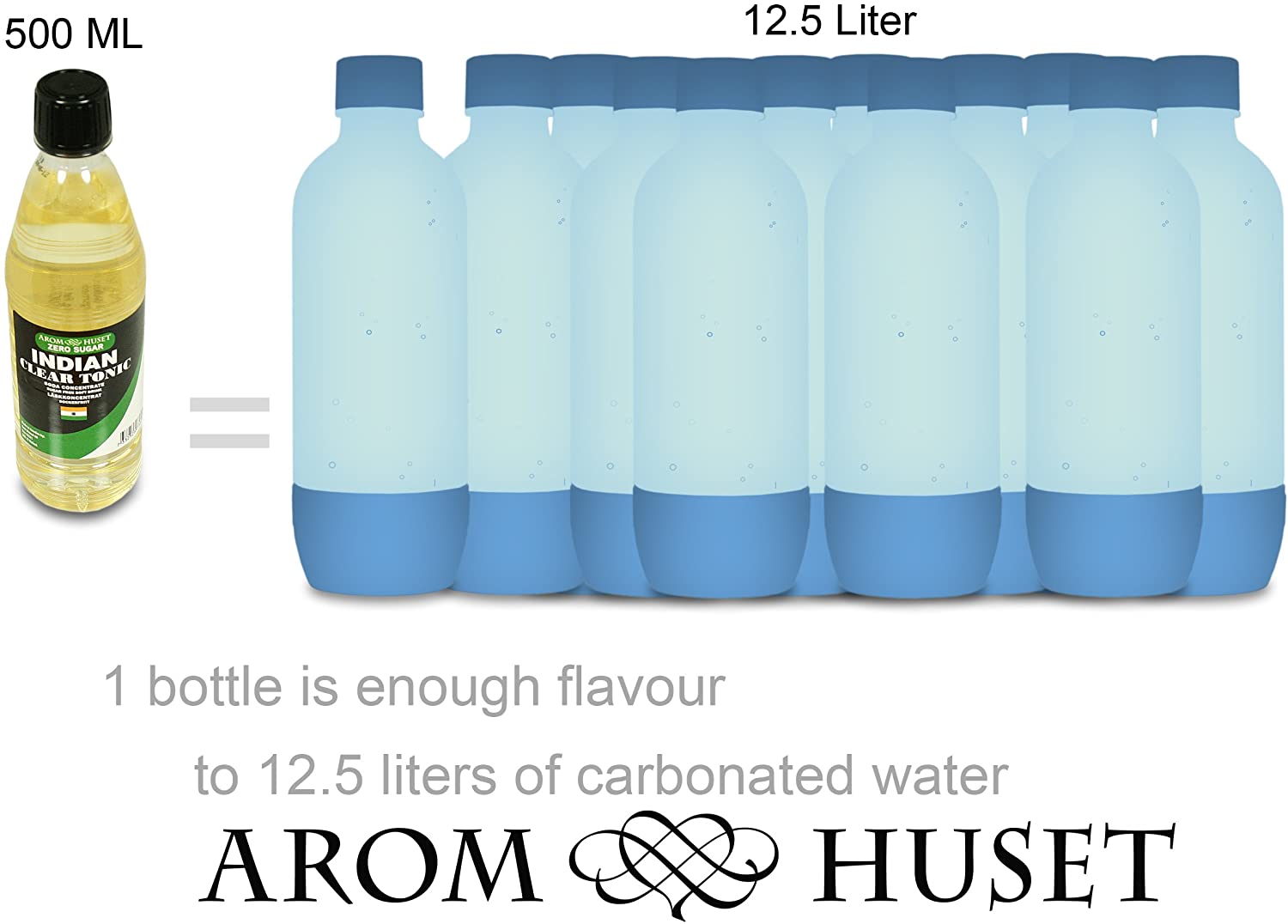
Positives and Negatives
Just after trying the latest Aromhuset Zero Sugar Candy Cubes. We’ve run at a few aspects that have stood out in both positive and negative lights. We’ve had a chance to give you a new perspective If you’re thinking about the sugar-free experience.
Pros and Cons
- Tasting Precision While we enjoyed the flavor, opinions vary with some finding the taste distinctively different in comparison to other sodas.
- Mixing the Right Way: Getting the mix correct is essential; else the flavor could be too strong or too weak. We had to play around a bit to discover our sweet spot.
- Later taste: It’s fair to admit that some of us did observe a synthetic aftertaste however, it might not be everybody’s cup of tea.
- Flavour Variety: Although it comes with different flavors, all meet the criteria. It’s a little testing and experimenting to find the one that sits well with our taste.
- Cost: You may find that the initial expenditure a some expensive in comparison to normal soft drinks, however considering the volume it makes we believe it could be worth it at the final.
- Candy Cubes soda gives you a unique and delicious candy flavor that might not meet the initial impressions you had and isn’t perfect for all tastes.
- It stands alone as the sole soda on market that has this distinctive candy taste.
Our time with it was an adventure in fizz, and we’d encourage you to give it test if you’re thinking of healthier, custom-made soda alternative. There’s the chance that you’ll find yourself with a new drink of choice!
Reliable Customer Testimonials
In our time experimenting with this syrup we’ve learned that getting the mixture just right is critical to enjoying a delicious glass. A majority of us have found that a bit less than recommended amount hits that sweet point, resulting in a flavor very similar to those of brand-name diet coca-colas. One user mentioned that the product could easily stand and compete with the “big brand,” which is a compliment by the sense of it!
It’s not all sing-alongs. A few have discussed their challenges in finding the perfect balance and report a sour aftertaste when the drinks are not mixed properly. The article mentions the Blood Orange variety not living up to expectations due to its apparent artificiality, suggesting some other flavours may be a better choice.
Cost is factor, too. Although there are those who see the benefit, others felt the price did not match their experience, particularly when the desired “tonic” flavor was not present. Still, we’re intrigued by how many of us are going for these sugar-free options with a couple of us thinking about the soft drinks of the 1980s and accepting this contemporary take.
Based on our own experience, it’s clear that this particular syrup can be an instant hit, delivering a nostalgic yet delicious treat if the blend is right. It’s all about personalizing the flavor, and as there’s a feeling that for most there is a need to try different ways to get that perfect home-made pleasure.
End Summary
We’ve had the delight of trying the Aromhuset’s Zero Sugar Candy Cubes, and we can safely say that it’s a game-changer for us sweet soda lovers. Imagine the bliss of gulping down a refreshing, sweet soda with no guilt! The buzz among drinkers is that it’s the perfect drink for those who like mixing to their liking. We discovered that using a little smaller amount of syrup than recommended gives the perfect sweetness giving a taste like the popular diet sodas that don’t have the sugar rush!
But, not every one is sparkling perfection. There were those who felt that the taste was more synthetic side, particularly The Blood Orange variant which had an aftertaste which didn’t get everyone’s attention. The price isn’t the most expensive syrup on the block however, when you consider that it can make up approximately 12.5 Liters of soft drink the syrup is worth paying for the extra cost.
Then, seeing a few friends drink a glass without spotting the sugar-free switcheroo shows that Aromhuset is onto something. It’s not your average brand of cola. But how often did people ever settle for a bland taste? This is a healthier drink!
Frequently asked questions
It’s true that we’ve had lots of fun trying out the numerous concoctions you could concoct using Zero Candy Cubes! Now let’s tackle a few burning questions you may be having about this awesome product.
What delicious flavours can one anticipate when biting into the Zero Candy Bar?
To give it a proper taste test, we observed that each shot of syrup explodes into a taste similar to soda’s classic flavours. The intriguing thing is the way it’s crafted to be vegan and diabetic friendly!
Could you divulge the calorie and fat content of one Zero candy bar to those of us that track our treats?
Certainly! Calorie counters can relax because of this. There’s just 5 kcal per 100ml of serving. It’s something that can be a reality for us who want to keep those calorie-burning calories in check.
What are the delicious ingredients of a Zero candy bar?
Here’s where Zero Candy Cubes genuinely shines. The syrup is blissfully sugar-free, thanks to Sucralose. It’s also made from natural flavorings, making it suitable for various of dietary preferences, such as vegan.
There are lots of theories on what makes Zero Candy Cubes so special. We’ve given you the most up-to-date information – every sip can bring back memories, minus the calories and sugar!