regulations
EU Regulations on Alcohol-Free Drinks: A Complete Guide
As we move into the age of beverages the term “alcohol-free” is getting huge traction. As more and more people are turning to non-alcoholic alternatives due to various reasons, including health, personal preference, along with lifestyle and personal preferences. As the demand for alcohol-free drinks grows with it, so too does the need for clear regulations that regulate these drinks.
Understanding the Importance of EU Regulations
Why You Should Know
Before we go into the intricate details of EU guidelines for alcohol-free drink it’s vital to understand the importance of this information. It doesn’t matter if you’re a customer looking for trustworthy products or a producer who is eager to adhere to standards This is why EU laws on alcohol-free drinks are vital:
The Increasing Demand for Alcohol-Free Beverages
Alcohol-free beverages have expanded beyond the boundaries of soda and water. Nowadays, they include a wide range of products, from alcohol-free beer to stylish mocktails to alcohol-free spirits. In a time when consumers are looking for healthier and more diverse drinks choices, need for these products is climbing.
Health and Safety Concerns
It is a right of consumers to expect that drinks they consume meet strict quality and safety standards. Regulations ensure that alcohol-free beverages are manufactured, labeled and promoted in a manner that is focused on consumer health. They also protect consumers from misleading claims and help protect people who must avoid alcohol due to reasons of health.
Industries Growth and Innovation
The industry of alcohol-free drinks is growing quickly, with innovations that challenge conventional norms. Producers are coming up with unique flavors and textures based on alcohol. To help support the growth of this industry and to maintain trust with consumers the need for comprehensive regulations is essential.
If you’ve mastered the importance of EU rules on alcohol-free drink, let’s take a look at the major laws that govern these products in our next section.
H2: Essential EU Regulations for Alcohol-Free Drinks
In the next section, we’ll go into the heart of the matter, and break down the key regulations that shape the industry of alcohol-free drinks in the European Union. From the maximum allowed alcohol content to labeling requirements in this section, we will unravel the regulations that producers, distributors as well as consumers need to be aware.
Maximizing Safety and Consumer Confidence
When embarking on this regulatory process, we must remember that these regulations are not just red tape for bureaucrats. They serve a vital purpose in ensuring that alcohol-free drinks comply with specific quality standards, provide consumers with accurate information and create an improved and safer beverage environment.
Now, let’s navigate the complexity of EU regulations on alcohol-free drinks to the section below.
[Next: Section 2: Key EU Regulations for Alcohol-Free Drinks[Next up: Section 2: Key EU Regulations for Alcohol-Free Drinks
Direct From Source to Success: Boost Your Inventory with Swedish Distillers’ Non-Alcoholic Spirits!
Important EU Regulations for Alcohol-Free Drinks
To better understand the realm of alcohol-free drinks in the European Union, we now take a look at the core of what is matteraEUR”the regulations. These regulations are at the heart which ensures that the alcohol-free beverages are safe, clear as well as meet strict guidelines for quality. Let’s embark on this regulated adventure, dissecting principal EU rules governing alcohol-free beverages.
Maximum Permitted Alcohol Content
What is the significance of HTML0?
The very definition of “alcohol-free” is dependent upon the permissible alcohol level. In the EU, for a beverage to be classified as “alcohol-free,” it must have a maximum of 0.5% of alcohol per volume (ABV). This low threshold is crucial for consumer safety, especially people who want to steer clear of alcohol, because of health, dietary, or for personal reasons.
Labeling Requirements
The clarity of the HTML0 code and Transparency
EU regulations mandate that labels for alcohol-free drinks clearly state the amount of alcohol they contain. This isn’t just a matter of transparency but also essential for consumers who depend on this details. The label should clearly highlight the “alcohol-free” design and the exact ABV in order to ensure that consumers can make informed choices.
ingredients and additives
Quality and Purity
To ensure the quality and purity of alcohol-free drinks, EU regulations stipulate stringent requirements in the use of ingredients and add-ons. These regulations ensure there are only substances that have been approved by the EU are used in the creation of these beverages. The focus is on maintaining the authenticity of the product, whether it’s an alcohol-free beer, wine, or spirit.
Health Claims and Advertising
Preventing fraudulent claims
EU regulations also regulate health claims and advertisements for alcohol-free beverages. This is in order to stop misleading claims that could result in false perceptions of the health benefits of drinking these drinks. Producers must adhere to guidelines that ensure accuracy and integrity when it comes to marketing.
Standardization and Quality Standards and Safety Checks
The Rigorous Test and Quality Control
Another key aspect of EU legislation is enforcement of quality standards as well security checkpoints. Producers are required by law to conduct rigorous tests and quality control measures to ensure their alcohol-free beverages comply with standards. This includes microbiological safety, hygiene and overall quality.
Compliant and Certification
As we’ve gathered an understanding of the most important EU rules for alcohol-free beverages it’s likely that you’re wondering what distributors and producers can do to ensure that they are in compliance with these regulations. The process of ensuring compliance and certification is an integral part of the process of bringing these drinks to market while still adhering to EU regulations.
H2: Insuring Compliance
It can be a complicated undertaking, but it is vital for distributors and producers to make sure that their alcohol-free drinks meet EU standards. These are the essential steps to follow in the compliance process:
Testing and Analysis
Producers must conduct a comprehensive test and analysis of their alcohol-free drinks to verify that they are in compliance with the established criteria. This includes verification of alcohol content test of the ingredients and evaluations of quality.
Documentation and Record-Keeping
An accurate and detailed record is the basis of compliance. Producers must maintain records of testing, ingredient sourcing, and manufacturing processes. These records provide evidence of compliance and can be monitored by governmental authorities.
Collaboration with Regulatory Authorities
Producers and distributors often collaborate with regulators in order so that compliance is maintained. This involves getting the required certifications and approvals. These depend on the specific alcohol-free type of drink.
Common Challenges and How to Surmonte These
Compliance can be a problem especially for small producers or those just entering the business. Some of the most frequent obstacles include understanding various regulatory requirements, managing testing costs, and staying current with changes in regulations. Seeking expert guidance and staying informed of regulatory changes are important strategies to tackle these difficulties.
In the next part in the next section, we’ll discuss the effect of these regulations on consumers and how they can make informed choices for alcohol-free drinks.
[Next step: Section 3: the impact on consumersThe impact on consumers
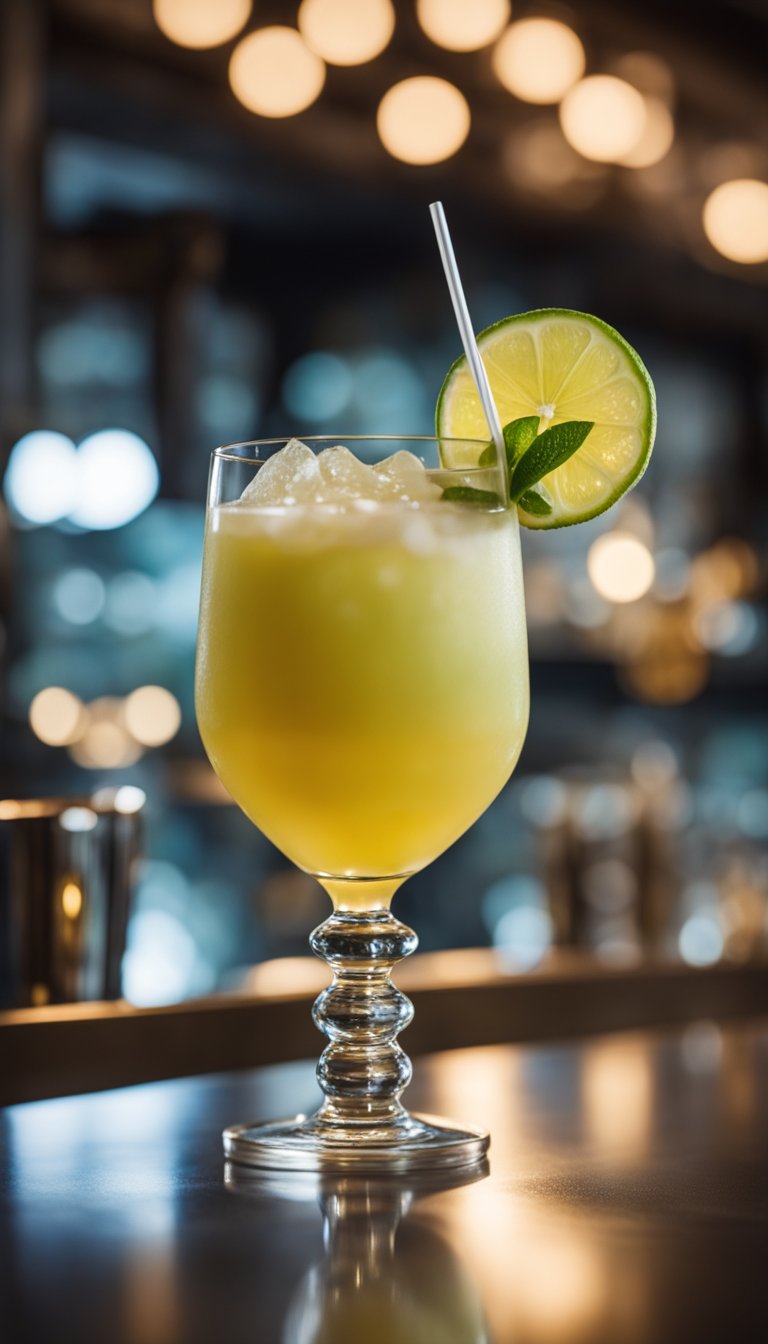
Impact on Consumers In the process of navigating EU Regulations on Alcohol-Free Drinks
As we continue our journey through the realm of alcohol-free drinks and the regulations that govern them in the European Union, we come to a pivotal point of considerationaEUR”the impact of these regulations on consumers. It is crucial for consumers to be aware of the ways in which these regulations affect the choices they make and their rights in relation to selecting alcohol-free beverages.
Why Should Consumers Be Concerned About EU Regulations on Alcohol-Free Drinks?
Before diving into the specifics the details, it’s important to answer this question that is fundamental: Why consumers should care about EU regulations on alcohol-free drinks? These are the main reasons:
-
Safe as well as Trust: Consumers deserve to enjoy secure and dependable products. Regulations ensure that alcohol-free drinks adhere to strict quality and safety standards, reducing the risk of health-related concerns or misrepresentation.
-
Informed Choices These regulations allow consumers to make informed decisions. By understanding the labeling requirements and claim to be healthy, they can confidently choose products that meet their preferences, dietary needs and lifestyle.
-
Prevention of misleading claims Regulations protect against misleading advertising and health claims by preventing consumers from falling prey to deceitful marketing techniques.
Let’s dive a little deeper into the way EU regulations impact consumers:
Listening Labels and Understanding Claims
Clarity in Labeling
One of the most direct ways consumers are affected by EU regulations is through the labeling of product. When you buy an alcohol-free drink in the EU, the label should give clear and accurate information. Here’s what to look for:
-
Alcohol Content: Laws require labels to must display the exact alcohol content typically expressed in Alcohol by Volume (ABV). This allows consumers to confirm it is genuinely alcohol-free, meeting the EU’s 0.5% ABV threshold.
-
“Alcohol-Free” The label should be prominently displayed. Labels should clearly feature the “alcohol-free” designation, which will ensure that customers can easily identify the products.
-
ingredients lists The regulations require extensive ingredient lists to help consumers who have food restrictions or allergies make informed choices.
-
Health Claims: Pay attention to claims about health that appear on labels. Regulations can prevent misleading statements, so consumers can trust that the health benefits associated with the product are correctly portrayed.
Reporting non-compliance
Consumer Rights and Accountability
Consumers are also involved in upholding EU rules regarding alcohol-free beverages. If the label on a drink appears inaccurate or if you suspect an infraction to regulations, you are entitled to notify the company. Reporting violations help maintain respect for the market and holds the makers accountable.
Sources of Information and Resources for Consumers
Alongside reporting non-compliance In addition, consumers can consult many resources for assistance:
-
Customer Associations: Many consumer associations actively monitor the compliance of products in order to provide guidance and assistance.
-
Regulation Authorities You can contact your regional or national regulator for assistance and to voice concerns.
-
Online Community: Joining online forums and communities can provide ideas and suggestions from other consumers who share your interests.
Understanding the way EU regulations impact consumers helps consumers to make informed decisions and contribute to the credibility of the drinks that are alcohol-free market. In the following section we’ll review the future trends that are emerging in this changing landscape, as well as what consumers can expect from the world of alcohol-free drinks.
[Next step: Section 4: Future Trends and Conclusion“
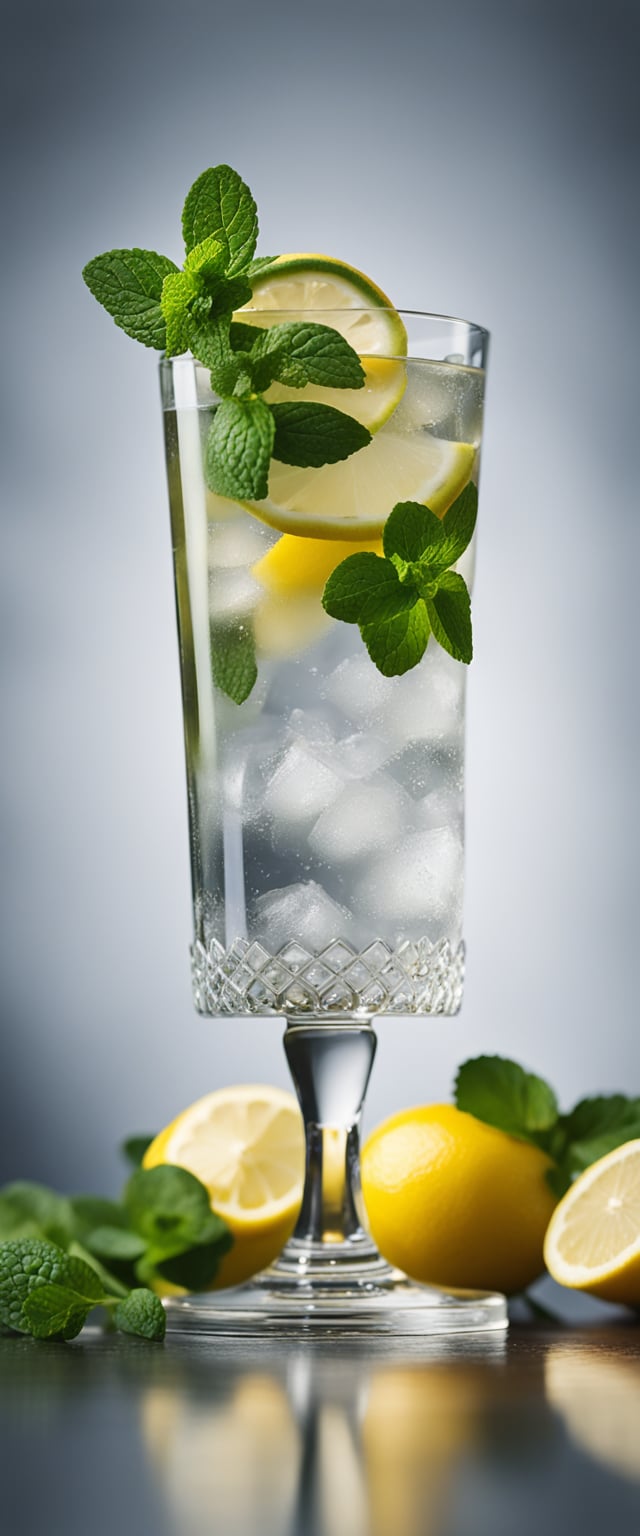
Future trends in the World of Alcohol-Free Drinks
When we look at the intricate details of EU rules on alcohol-free beverages and the impact they have on consumers they must also be aware of the coming trends in this transforming world. The world of alcohol-free beverages is experiencing rapid growth and technological innovation as a result of changing consumer tastes and healthier choices.
Why Future Trends are Important
Understanding the trends of the future isn’t simply a matter of curiosityaEUR”it’s important for producers and consumers. For producers, staying ahead of the latest trends means addressing changing expectations of the consumer and adjusting regulations. Consumers, it’s getting access to an expanding assortment of healthy and delicious drink options.
1. New Product Variety
Over the Basics
Alcohol-free drinks isn’t limited to traditional choices like soda and sparkling water. Producers are continuously expanding their product portfolios to offer consumers a diverse assortment of options. These include:
-
Alcohol-free beer: Its products have become more sophisticated, with the aromas and flavors that imitate their alcohol-based counterparts.
-
Wine Alternatives: A wine that is alcohol free has been increasing in popularity, giving consumers the pleasure of wines without alcohol.
-
Alcohol-Free Spirits: Mocktails and spirits that are alcohol-free are on the rising trend, allowing consumers to taste complex flavors and drinks without the alcohol.
2. Innovative Flavors and Ingredients
Similarity to Complexity
The producers are investing in studies and development to create alcohol-free drinks that mimic the complex flavors and sensations of alcohol-based drinks. This includes experimenting with botanicals, herbs and spices to produce distinct profiles.
-
Botanical Infusions: Gins that are alcohol-free and botanical spirits are made up of numerous botanicals, delivering unique flavor experiences.
-
Distillation Techniques: A few distillers employ distillation techniques that extract flavors without alcohol creating sophisticated alcohol-free spirits.
3. Health and Wellness Focus
Conforming to Consumer Values
The growing demand of consumers for healthy products has producers focusing on health and wellness aspects. This means highlighting nutrition details, organic ingredients as well as wellness benefits.
-
Low Calories and Sugar: A lot of alcohol-free drinks are designed to be low in calories and sugar, catering to health-conscious consumers.
-
Active Ingredients Producers are now integrating active ingredients such as vitamins, adaptogens and antioxidants to boost the health appeal of their products.
4. Sustainable and eco-friendly practices
Meeting Environmental Concerns
Sustainability is on the rise and food producers are responding by implementing environmentally-friendly practices. This includes sustainable sourcing of ingredients, eco-friendly packaging, and reduced carbon footprints.
-
Recyclable Packaging: Some alcohol-free manufacturers are opting for recyclable or biodegradable packaging to lessen environmental impacts.
-
Ethical Sourcing: Producers are increasingly transparent about the sources of the ingredients they use, and are making sure that they comply with ethical and sustainable standards.
5. Training and Consumer Empowerment
Informed Choices
As the industry of alcohol-free beverages evolves, education for the consumer is paramount. Brands invest in resources that help consumers comprehend their products, such as:
-
Online Resource: Social media and websites provide information on the ingredients in products, their health benefits, and food suggestions.
-
Cocktail Events There are some producers who host tasting events and workshops that guide consumers on how to take advantage of alcohol-free drinks to the fullest.
Understanding these emerging trends allows consumers to make better choices with their personal values and desires. In the next segment we’ll go over the key conclusions and discuss how the world of alcohol-free drinks continues to influence the choices of consumers and experiences.
[Next: Section 5: Overview and Looking Forward[Next up: Section 5: Summary and Looking Forward
The Summary and the Future: Becoming familiar with EU Regulations on Alcohol-Free Drinks
As we conclude our comprehensive study of EU regulations on alcohol-free drinking and their impact on consumers and the industry It is crucial to summarize some of the key points from each chapter and look ahead to the next chapter in this ever-changing landscape.
Section 1: Knowing EU Regulations
The first portion of our travels we looked at the fundamental aspects of EU regulations on alcohol-free drinks. Here are some of the key lessons learned:
-
EU Regulations Ensure Safety: These regulations are made to ensure the health and the quality of alcohol-free drinks, ensuring that consumers can take pleasure in these drinks without health concerns.
-
labeling clarity: consumers can depend on the clear and precise labeling to differentiate alcohol-free drinks and learn about their ingredients and health claims.
-
The Consumer Right: They have the option of bringing complaints against non-compliance regulations, helping to create an honest and responsible market.
Section 2: Production and Compliance
In the second section, we looked into the production and conformity aspects of alcohol-free drinks:
-
Standard of Production: It is the responsibility of producers to adhere by strict standards. This includes the 0.5% ABV maximum for the alcohol-free classification.
-
Certification and Testing: The products undergo rigorous testing to ensure they conform to legal requirements.
-
Obligation to Be Compliant: Conformity with regulations is vital to avoid penalties and keep consumer trust.
Section 3: The impact on Producers and Market
Our third section was focused on the effect of regulations on the marketplace and producers:
-
Marketing Growth Demand for non-alcoholic drinks is on upswing, driven by health-conscious consumers as well as innovative product offerings.
-
Innovation and Competition: Producers are continually developing new ways to meet the demands of consumers and have resulted in a broad selection of alcohol-free alternatives.
Section 4: Future Trends
In the closing section, we discussed the future trends that are shaping the world of alcohol-free drinks:
-
Expanding Variety of Products: Consumers can expect more alcohol-free drinks, with elegant alternatives to traditional favourites.
-
Innovations in Flavor and Ingredients: Producers are investing in creating complex flavors and improving the drinking experience.
-
The Health and Wellness Focus: Health-conscious consumers will find products that align with their dietary preferences and goal of wellness.
Section 5 The Summary and Looking Forward
In this section, we’ve reviewed the important insights that we discovered from our investigation of EU laws on alcohol-free drinks. These insights can help consumers and producers to navigate the changing regulations efficiently.
As we look ahead to the future, the world of alcohol-free beverages is expected to continue growing and new developments. People can anticipate a constantly expanding choice of drinks that cater to their various tastes, desires, and values. Producers, on the other hand, must be vigilant about adhering with regulations while embracing opportunities created by this changing market.
In conclusion, understanding EU rules on alcohol-free beverages isn’t only a matter to be in compliance, but it’s about offering the safety that, transparency, as well as choice that consumers are entitled to. With a brighter outlook and a growing market for alcohol-free drinks, it is a great place for consumers to explore, savor, and lift their glasses for a healthier and better tasting pleasure.
Thank you for joining us in this adventure into the world of alcohol free drinks and EU rules. Welcome to a world filled with exciting and responsible drinking choices.
(End of Series]
Uncovering the Future: EU Sustainable Alcohol-Free Spirits
Recent years, the European Union (EU) has observed a drastic change in the world of spirits. The shift in the industry is underwayaEUR”one that reflects the ever-changing preferences, tastes and conscientious choices of consumers. As the EU has embraced sustainability and more people look for alternatives to traditional alcohol drinks increasing demand for sustainable alcohol-free spirits has been hailed as a fascinating trend. In this article, we go upon a trip to learn more about this intriguing new trend.
The rise of Sustainable Spirits in the EU
Market trends in the European Alcohol Market
The landscape of the alcohol market in the EU is experiencing a major change. In the past, alcohol has taken a prominent position in European cultural traditions, with wine beer, spirits, and wine being a common feature of social gatherings and dining. However, in recent years, an interesting trend has emergedaEUR”consumers are becoming more conscious of their choices.
The EU alcohol market, once predominantly characterized by the consumption of alcohol drinks, has now begun to shift toward more sustainable, healthier, in addition to alcohol-free versions. A growing desire for mindful consumption and a focus on health, social responsibility, and environmental consciousness has led to a new era of spiritsaEUR”the which are non-alcoholic and sustainable.
The emergence of alcohol-free Spirits
The leaders of this new trend are innovative brands that have seen the shift in consumer preferences. These companies that are forward-thinking have come up with a range of alcohol-free drinks that not only provide a healthier alternative to traditional alcohol drinks, but also promote sustainability.
The emergence of alcohol-free spirits marks a radical departure from past. They are devoid of alcohol but still bursting with flavor are a perfect representation of traditional drinks but without the intoxicating effects. While the concept of alcohol-free spirits doesn’t seem to be completely new, the focus on sustainability and ecological responsibility is a new and important development.
This article will go deeper into this exciting development, examining the environmental impact of traditional production methods for alcohol in addition to how sustainability and environmental considerations are being integrated into the creation from alcohol-free spirits. In the following sections, we will go through the fascinating process of making these drinks, starting from the source of ingredients to eco-friendly production methods along with responsible packaging, distribution and packaging.
Therefore, let’s start this adventure together and learn the ways in which EU sustainable spirits that are alcohol-free are shaping a cleaner and more mindful future. In the following section we’ll take a look at the environmental impact of traditional production of alcohol and the reasons it is driving consumers to make more sustainable choices.
Continue reading: Its Environmental Impact from Traditional Alcohol Production
Keywords: EU sustainable alcohol-free spirits, alcohol market within the EU Sustainable spirits, alcohol-free alternatives that are mindful, environmentally awareness, sustainable and alcohol free spirits, sustainability in the spirit industry, ingenuous brands that reduce the environmental impact of traditional alcohol production, sustainable alternatives.
For Discerning Wholesalers: Swedish Distillers Offers Exquisite Alcohol-Free Spirits in Bulk!
The Environmental Impact of Traditional Alcohol Production
When we think of alcohol production, one of the images that comes to mind is beautiful farms, farm-to-table breweries, or sophisticated distilleries. Although these images may evoke glamour and tradition however they conceal an environmental footprint that is significant. In this article we’ll explore the environmental impact from traditional alcohol manufacturing methods and how they have resulted in the increased need for sustainable alternatives.
the hidden costs of Traditional Alcohol Production
Traditional methods of making alcohol have been practiced for hundreds of years, often passed down through generations. These methods usually involve cultivation of specific crops (such as grains, grapes, or sugarcane) as well as distillation, fermentation, aging, and bottling. While these procedures may seem natural, they can have significant ecological consequences:
1. Intensity of Resource
a. Land Use
Traditional alcohol production usually requires large expanses of space to cultivate. The cultivation of crops like grain or grapes needs significant areas of land, which could use for other and sustainable purposes.
b. Water Consumption
The production process of alcoholic drinks is very water-intensive. From irrigation to actual distillation and fermentation procedures, large amounts of water are used up. This creates challenges in areas where water scarcity is the main issue.
2. Energy Consumption
Traditional distillation and aging techniques are high in energy consumption. Utilizing fossil fuels to power distillery operations adds to greenhouse gas emissions and exacerbates climate change. Additionally, the aging spirits in wooden barrels require an extensive storage facility, often required temperature control, as well as costs for energy.
3. Chemical Usage
The use of pesticides and fertilizers is commonly employed in agriculture as a means to protect crops and boost yields. The chemical runoff resulting from conventional agriculture practices can cause destruction of the soil and pollution of the water in negative ways, affecting ecosystems as well as human health.
A Shift Towards Sustainable Alternatives
As the concerns over the impact of climate change, resource depletion and environmental degradation continue to grow increasing, customers are becoming discerning. They’re looking for products that are in line with their ideals of respect for the environment and sustainability. This shift in the consumer’s preferences has paved the way for more sustainable options, such as alcohol-free spirits.
In the next segment we’ll look at our how EU sustainable alcohol-free spirits is revolutionizing the impact of the industry on the environment. From innovative sourcing methods to eco-friendly production techniques, these options are setting a new standard for sustainability within the spirit industry.
Keep reading Sustainable development in EU Alcohol-Free Spirits
Keywords: Impact on the environment of alcohol production Traditional methods for alcohol production, resource intensity in alcohol production, the use of land in alcohol production for water use during production of alcohol, energy consumption during alcohol production chemical usage in the production of alcohol Sustainable alternatives such as climate change, environmental degradation, consumer preference, sustainability in alcohol-free spirits.

Sustainable, alcohol-free Spirits An Eco-Friendly Alternative
In previous articles we looked at the environmental impacts of traditional production of alcohol and the shift in consumers’ preferences toward sustainability. In this section, we will dive to the world of alcohol-free sustainable spirits to see how they are paving the way for an eco-friendly and more sustainable future.
The birth of sustainable alcohol-free Spirits
The idea of spirits that are alcohol-free could seem strange at first glance. After all, spirits have for years been associated with alcoholic content. However, creative and forward-thinking distilleries are redefining this stereotype by crafting alcohol-free alternatives that retain the essence and character of traditional spirits without the alcohol.
What Are Sustainable Alcohol-Free Spirits?
Sustainable spirits with no alcohol, often referred to as “spirits alternatives,” are drinks that have the aromas, flavors, and the complexity of traditional spirits, but are alcohol-free and contain a minimum amount of. They are created with some combination of plants, herbs, spices, and other natural ingredients, which are carefully selected to offer an unforgettable sensory experience.
The Environmental Benefits
1. Lowered Footprint of Land and Water
One of the greatest environmental benefits of using sustainably produced alcohol-free spirits is their less land and water footprint. Instead of traditional production of alcohol, which needs extensive agricultural land and water for the cultivation of crops The alternative spirits often obtain their ingredients more efficiently. This means less resources are used up, which frees more land and water for other uses that are sustainable.
2. Lower Energy Consumption
A production process that is alcohol-free generally is not as energy-intensive compared to traditional distillation and ageing. It results in a reduced carbon footprint and decreased carbon dioxide emissions. While the world wrestles with the consequences of climate change, these savings in energy are becoming increasingly important.
3. Limited Chemical Use
Sustainable alcohol-free spirits are designed using a strict focus on the purity of their products and the sustainability. This means that there are any chemical pesticides, chemicals or fertilizers are included during their manufacturing. In avoiding toxic chemicals that are often used in traditional agriculture, these choices are healthier for the environment and less polluted water sources.
To meet the demands of consumers
Today’s consumers are more educated and conscious of what they buy. They want products that are in line with their beliefs, which includes sustainability and social responsibility. Sustainable alcohol-free spirit caters to this demand by offering unrestricted and eco-friendly drinking.
They aren’t just accepted by people who don’t drink alcohol, but also by those wanting to limit their alcohol intake, for health, social, or personal reasons.
What’s ahead
In the next section we’ll explore notable EU distilleries and brands that have committed to sustainable alcohol-free spirits. We’ll glance at their innovative practices along with their distinctive offerings and their impact on the industry of spirits.
Read more: leading the Green Revolution: EU Sustainable Brands that are Alcohol-Free
Keywords: sustainably produced alcohol-free spirits alternative spirits, environmental benefits, decreased land and water footprint, less utilization of energy, lower chemical consumption, satisfying consumer demand, EU brands, distilleries cutting-edge approaches, driving in the Green Revolution.
Leading on Green Revolution: EU Sustainable Brands of Alcohol-Free Spirits
While consumer tastes continue to shift towards sustainable and environmentally responsible, many European Union (EU) distilleries and brands are pioneering the production of environmentally friendly alcohol-free spirits. In this section we will look at some important EU distilleries and brands who have embraced the eco revolution and are doing well in the spirits industry.
The rise of Sustainable Spirits from the EU that are Alcohol-Free Brands
A Commitment to Sustainability
EU distilleries and brands have a long tradition of producing premium spirits. But, as the world confronts environmental challenges, these entities are embracing an entirely new goal: sustainability. They are conscious of the need reduce their carbon footprint, save natural resources, and advocate for sustainable consumption.
Innovative Approaches
In the quest for sustainability, EU brands are employing innovative strategies for alcohol-free spirit production. These approaches involve using locally and organic ingredients employing energy efficient production methods and even adopting circular economic principles.
Relevant EU Sustainable Food and Drink Brands with Alcohol-Free Ingredients
1. Seedlip
-
The background: Seedlip has been credited as one of the pioneers of the sustainable alcohol-free spirits movement. In the United Kingdom, the brand has been recognized internationally for its unique alternatives to spirits.
-
Sustainable Initiatives Seedlip puts a major emphasis on sustainability. They do this by making use of local farms for ingredients and using environmentally-friendly packaging. Additionally, they have launched initiatives to encourage biodiversity and conservation.
2. Rutte
-
Introduction: Rutte is a Dutch distillery that has a long time-line dating to 1872, has now introduced a variety of alcohol-free spirit that are a tribute to their heritage while also embracing sustainable practices.
-
Sustainability Programs Rutte is focused on using natural ingredients and reducing pollution in their production processes. They also take part in eco-friendly initiatives in their local community.
3. CalenIfo
-
Background: CalenIfo which hails from Spain is well-known for its vibrant and tropical-inspired spirit that is alcohol-free, making it ideal for cocktails and social gatherings.
-
Sustainability Projects CalenIfo commits to sourcing ingredients in a responsible manner and to promoting ethical practices in labor, and minimizing their impact on the environment.
Implications for the Spirits Industry
These EU sustainable alcohol-free spirits brands offer not just eco-friendly alternatives to the traditional spirit but additionally generating change within the industry. With their increasing popularity, other distilleries and brands are starting to notice and implementing more sustainable methods of production.
The rise of these brands highlights the increasing awareness of environmental issues and a demand for responsible and sustainable consumption among consumers. It’s clear that sustainability isn’t just a trendy trend, but is growing into a crucial aspect of the spirits industry’s future.
In the following section, we’ll be taking a closer look at the global impact of alcohol-free spirit that is sustainable and their role in shaping future trends for the industry of drinks.
Read more: Shape the future: Global Impact of sustainable alcohol-free Spirits
Keywords: EU responsible alcohol-free brand of spirits that are committed to sustainability inventive approaches, Seedlip, Rutte, CalenIfo’s influence on the spirits industry, responsible consumption, future of the industry of beverages.
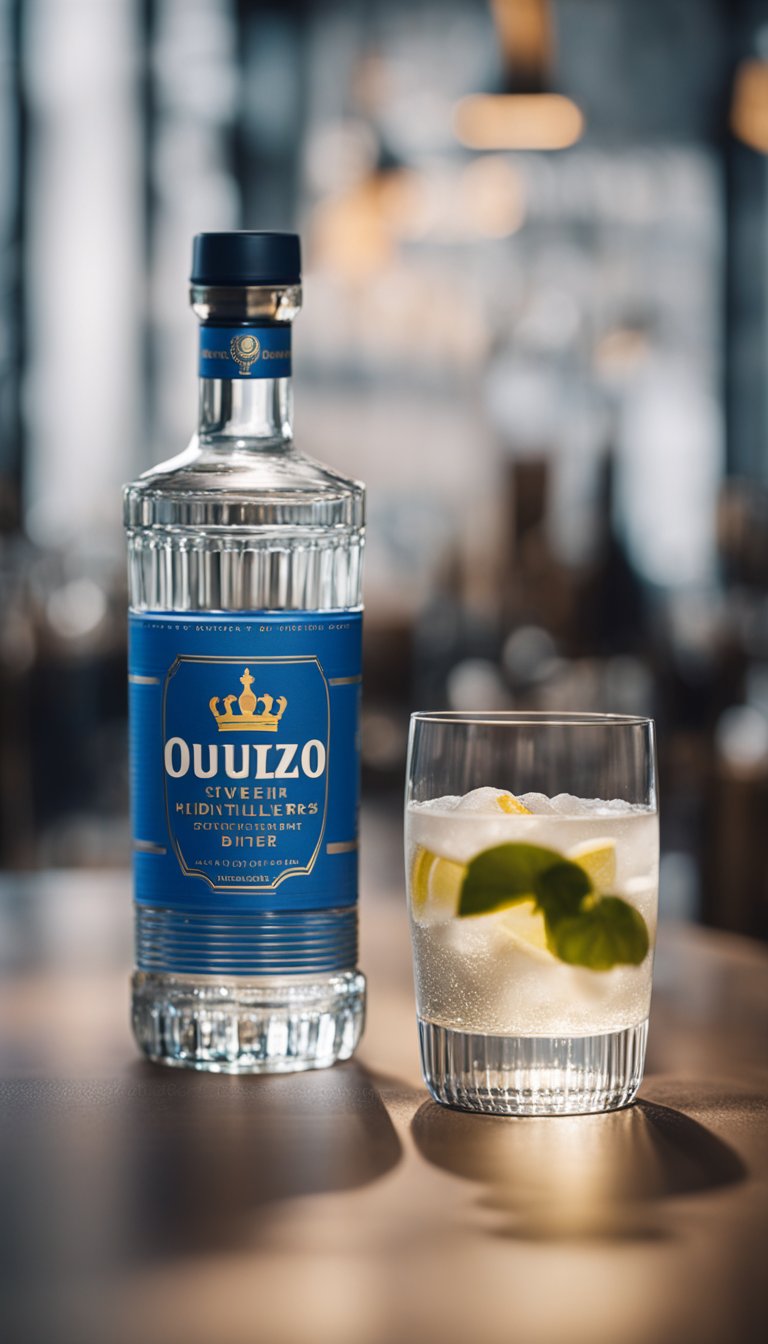
Affirming Futures: The Global Effects of Sustainable Alcohol-Free Spirits
In previous chapters we set out on an exploration into the changing world of alcohol-free, sustainable spirits in the European Union (EU). We explored the commitment to sustainability, the innovative strategies and a number of notable EU companies leading towards the eco revolution. Now, in this final installment, let us broaden our lens to investigate the global impact of alcohol-free, sustainable spirits and their role in shaping tomorrow’s beverage market.
A Worldwide Shift Towards Sustainability
A Global Phenomenon
In spite of the fact that the EU has been a leader in an alcohol-free and sustainable spirit industry however, this movement is by never confined to the EU’s limits. All over the world, from North America to Asia, distilleries and brands are starting to realize the importance of sustainability and environmental responsibility in the production of spirits.
Consumer Demand
One of main forces that are driving this change is the increasing demand of customers for environmentally friendly and sustainable products. Today’s consumers aren’t just searching for the highest quality of their beverages but they also want sustainability. They want to make decisions that align with their ideals and reduce their environmental impact.
The Expanding Horizons Brands Beyond Borders
Beyond the EU
As we’ve discussed in the previous sections our previous sections, the EU boasts several prominent companies that are committed to sustainability. However, it is important to not overlook the influence of distilleries from different regions. Brands made in the United States, Canada, Australia and other Asian countries are creating noises in the sustainable alcohol-free spirits market.
Innovative techniques and flavors
What sets these international labels apart is their distinctive regional tastes and methods of production. For instance, American brands may draw ideas from local herbs, while Asian distilleries usually blend their products with spices and herbs from the past.
The impact on the Spirits Industry
The efforts of distilleries and brands all over the world are having a massive impact on the spirit industry. Here’s how:
Inspirational Change
The popularity and success for sustainable alcohol-free spirit brands are inducing traditional distilleries, as well as beverage companies, to rethink the way they operate. In turn, we have seen an increasing number of business leaders using sustainable methods and environmentally conscious production methods.
A Sustainable Future
The term sustainability has no longer been just a buzzword, but it is a central guideline for the future of the industry. From lessening carbon emissions to preserving water resources, spirits producers are embracing their responsibility to be stewards of the environment.
Concluding: A Toast to Sustainability
In this series we’ve taken an in-depth dive into the world of environmentally friendly alcohol-free spirits, from their origins and new production methods to some of the most renowned EU and international brands. The experience has exposed the power of sustainability to transform in the spirit industry.
When we raise our glasses to celebrate the remarkable advances and achievements, we are aware that the shift to green spirits is not just a passing trend but a paradigm shift. This is a transition towards an eco-friendly, sustainable as well as eco-friendly option for our favorite drinks.
So regardless of whether you’re sipping a Seedlip mix in London or sipping a Rutte-inspired creation in Amsterdam, or trying the exotic flavours offered by CalenIfo Madrid take note that your choice will contribute to a cleaner, more sustainable world.
Thank you for joining us in this informative journey through the world of sustainably produced alcohol-free spirits. When we wrap up this series, let’s carry the spirit of sustainability forward and choose a responsible approach to the drinks we consume.
A Recap from the Series:
-
The Rise of Sustainable Spirits from the EU that are Alcohol-Free Brands
-
Sustainable Alcohol-Free Spirits: Unified Perspective
-
New Production Strategies for sustainable, alcohol-free Spirits
-
Notable Brands within the Sustainable Alcohol-Free Spirits Movement
-
Revolutionizing the Future Global Impact of sustainable alcohol-free Spirits